June 26, 2026 • Maren Calloway • 10 min reading time • Prices verified June 6, 2026
Chalk Markers for Every Surface: Matching the Right Pen to Chalkboards, Glass, and Car Windows
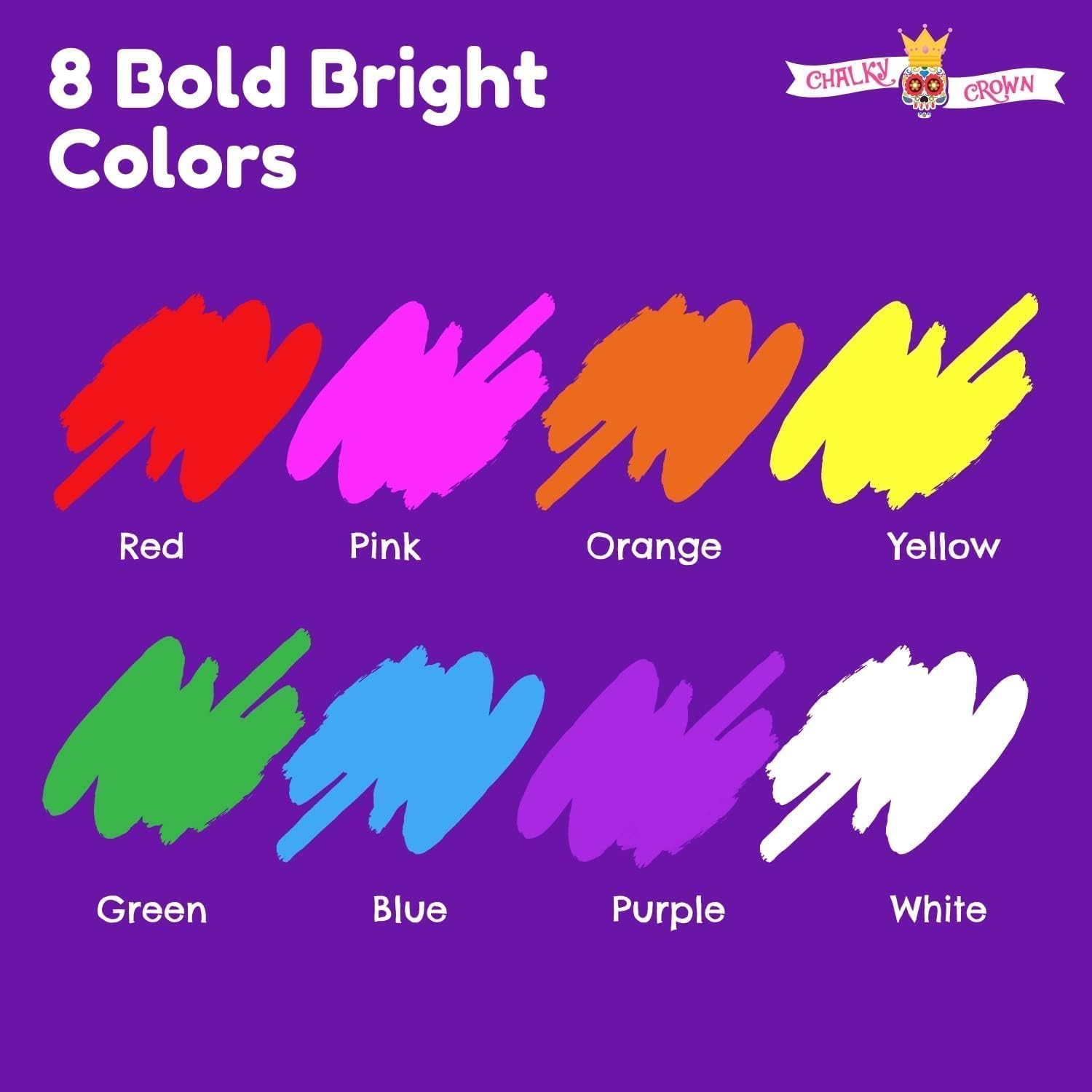
If you’ve ever picked up a chalk marker — a pen-shaped tool filled with water-based, chalk-like ink — and assumed it would work the same way on your restaurant menu board, your kid’s bedroom chalkboard, and your car window for a game-day parade, you’re in good company. Thousands of buyers make the same assumption every year, and a lot of them end up with stained surfaces, ghosting (the faint shadow a marker leaves behind even after you wipe it), or residue that resists every cleaning attempt. A chalk marker is not the same as a stick of chalk — it dispenses liquid pigment through a felt tip, which means what it leaves behind is closer to a thin layer of paint than to dust. That distinction matters enormously when you’re choosing which product to buy for a specific surface.
This guide is a research synthesis, not a lab report — we haven’t personally uncapped and dragged every marker across every surface type. What we have done is read through aggregated buyer reviews, manufacturer specification sheets, and editorial roundups from sources including Good Housekeeping and The Spruce to map out where each marker category excels, where it fails, and what the failure looks like before you’re the one cleaning it up. If you have a decision pending — you’re stocking up for a seasonal window display, setting up a restaurant board, or building out a playroom — the decision rules at the end of each section are written for you.
Why Surface Type Is the Whole Game
Here’s the core variable most buyers skip: chalk markers are engineered around porosity — how absorbent a surface is. A traditional slate chalkboard (dense, non-porous stone) behaves completely differently from an MDF (medium-density fiberboard) panel coated in chalk paint, which is different again from tempered glass or a car window. The more porous the surface, the more the liquid pigment soaks in — and the harder it is to remove completely.
The porosity ladder, ranked from easiest to hardest to clean:
| Surface | Porosity | Removal Ease |
|---|---|---|
| Tempered glass / car window | Non-porous | Easy — usually one pass |
| Sealed slate | Very low | Easy when properly seasoned |
| Powder-coated metal boards | Low | Easy to moderate |
| Chalk-painted MDF (unsealed) | Moderate–high | Moderate to difficult |
| Painted drywall / brick | High | Often permanent |
This Old House’s overview of chalkboard paint notes that chalk-painted surfaces — especially those made with standard latex-based chalkboard paint applied to MDF or drywall — are far more porous than factory-finished slate. That’s the exact scenario where liquid chalk markers can soak in and stain, even after the surface has been “seasoned” (a process where you rub the side of a chalk stick across the entire board and then erase it, coating the surface with a protective chalk base before first use).
The Spruce’s guide on chalk marker removal reinforces this: liquid markers are designed for non-porous surfaces first, and any porous or painted surface needs either sealing or a different marker format altogether.
Standard Liquid Chalk Markers: Best for Boards and Glass That Can Handle Them
For non-porous and low-porosity surfaces — sealed slate, tempered glass, melamine boards, and glazed porcelain — liquid chalk markers perform at their best. Reviewers consistently praise Bold Chalk Markers for clean, vibrant lines on standard chalkboard surfaces and glass, calling out easy one-wipe removal with a damp cloth. The ink is opaque enough to show well on dark backgrounds, and the reversible chisel-and-bullet tip (a tip that can be flipped between a broad angled edge for thick strokes and a narrow point for fine lines) gives menu writers and signage makers real flexibility.
Bandle B. chalk markers earn similarly strong marks for standard board and glass use, with one long-term reviewer specifically noting months of reliable performance on a black glass office calendar — the kind of sealed, non-porous surface where liquid ink behaves exactly as intended. On that type of board, the markers lay down color cleanly and wipe off without residue.
The decision rule here: If your board is sealed slate, tempered glass, or a factory-finished melamine surface, standard liquid chalk markers are your default choice. If your board is chalk-painted MDF and hasn’t been professionally sealed, run a small test patch in a corner before committing. A three-star cautionary review pattern across multiple product lines warns of sticky residue on certain surfaces — this is almost always a porosity mismatch, not a defect in the marker itself.
Window Markers: Engineered for Car Glass and Temporary Displays
Car glass and retail windows are genuinely different from a chalkboard — they’re non-porous, exposed to temperature swings, and need markers that clean off without streaking or leaving a chemical film. Window-specific marker sets are formulated for exactly this context, and the reviewer data on dedicated window marker products reflects it clearly.
Buyers who’ve used window marker sets for car glass confirm clean removal after a single car wash even in 90°F summer heat — a real-world stress condition that standard chalk markers can struggle with, since heat can cause some liquid chalk formulas to cure slightly and adhere more firmly. The outdoor-use reviewers are also notably enthusiastic about the metallic gold and silver markers included in some window sets, calling them out as the standout reason to buy — standard white markers read well on dark surfaces, but metallic finishes add a punch that works especially well on glass from a distance.
Good Housekeeping’s roundup of chalk markers notes that opacity and metallic performance on dark surfaces are two of the most reviewer-contested attributes, which tracks with what buyers report: metallics vary widely by brand, and window-specific formulas tend to outperform general-use markers here.
By the numbers:
- Window markers are typically rated for 1–3 wipes on car glass before full removal
- Metallic markers in window sets run 1–2 mm bullet tips as standard; fine-line work on small lettering benefits from this
- Removal is easiest within 48–72 hours of application; extended outdoor exposure (5+ days) increases removal difficulty on all formula types
The decision rule here: If the surface is car glass, a storefront window, or any outdoor-facing glass display, use markers from a window-specific set — not general-purpose board markers. The formulation difference is real, and the reviews bear it out.
Dustless Chalk Pens: The Underrated Option for Porous and Painted Surfaces
This is the category that gets overlooked most often, and it’s the one where the buyer knowledge gap is widest. Dustless chalk pens are not liquid chalk markers — they’re solid or semi-solid chalk-based instruments in a mechanical-pen housing, dispensing chalk pigment without the water-based liquid carrier. Because there’s no liquid ink, they don’t soak into porous surfaces the way standard markers do.
A verified business owner review on dustless chalk pen sets describes using them specifically on a painted (non-slate) specialty board where liquid markers stained — noting that the chalk pens achieved bolder, more opaque results than a damp stick of regular chalk, without the soaking risk. This is the precise use case these products are designed for: painted surfaces, slightly rough textures, or any context where you need chalk-look results without the commitment of liquid ink.
Wirecutter’s art supply roundups and The Spruce’s marker guides both distinguish dustless chalk from liquid chalk markers as fundamentally different tools — the former is closer to a refined chalk stick in pen format, the latter is closer to a water-soluble paint pen. That distinction is exactly what the business owner review is describing.
There’s a caveat worth naming: a recurring three-star review pattern on chalk pen products mentions sticky residue on some surfaces. Based on the pattern across reviews, this seems to occur when the chalk pen is used on surfaces that have been previously treated with liquid markers and not fully cleaned — the chalk pigment can interact with dried liquid-ink residue. If you’re switching from liquid markers to chalk pens on the same board, clean the surface thoroughly first.
The decision rule here: If your surface is chalk-painted MDF, a painted wall board, or any porous surface where you’ve had liquid marker staining problems, dustless chalk pens are the format to reach for. If you’re working with young children, the dustless format also reduces airborne dust versus regular chalk — though any chalk medium requires supervision and hand-washing, as covered in the FAQ below.
How to Match Marker to Surface: The Decision Matrix
You’ve got a decision to make and you want a fast answer. Here it is:
- Sealed slate or factory-finished melamine board → Standard liquid chalk markers (Bold Chalk Markers, Bandle B.) — vibrant color, easy wipe, reversible tips for versatile lettering
- Car window or storefront glass, especially outdoors → Window-specific marker sets — hot-weather removal confirmed, metallics outperform
- Chalk-painted MDF or porous painted surfaces → Dustless chalk pens — no liquid ink, no soaking risk, bolder than standard chalk
- Black glass surface (office calendar, glass whiteboard) → Standard liquid chalk markers, confirmed by long-term users; wipe with a damp microfiber cloth
- Temporary seasonal displays on any glass → Window marker sets; remove within 48–72 hours for easiest cleanup
Frequently Asked Questions
Can I use liquid chalk markers on a painted chalkboard surface without permanent staining? It depends on how porous the painted surface is. Rust-Oleum’s chalkboard paint specification documentation notes that chalk-painted MDF absorbs liquids more readily than sealed slate. If the surface hasn’t been sealed after painting, liquid chalk markers carry a real staining risk. Seasoning the board (rubbing the side of a chalk stick across the whole surface and erasing it before first use) helps, but it’s not a guarantee. For painted surfaces, dustless chalk pens are the safer default.
Will chalk markers wash off car windows cleanly, even in hot weather? Window-specific marker formulas, yes — reviewers confirm clean removal after a car wash in 90°F conditions. Standard liquid chalk markers formulated for boards are less reliable in heat: the pigment can partially cure and require more effort to remove. Use the right formula for the surface.
How long do liquid chalk markers last before they dry out? Manufacturer ratings and aggregated reviewer experience suggest most liquid chalk markers remain usable for 12–24 months unopened, and 3–6 months after opening with the cap replaced after each use. Storing them horizontally (not tip-down) extends tip life. Reviewers consistently note that tip-down storage accelerates ink pooling and tip degradation.
What is the difference between reversible tips and standard bullet tips? A reversible tip is a dual-ended felt nib that can be flipped to offer both a chisel edge (for wide strokes and block lettering) and a bullet point (for fine lines and detail work). A standard bullet tip is a single fixed point. For menu boards and signage where lettering size varies, reversible tips significantly extend a single marker’s usefulness.
Are dustless chalk pens safe for young children and easy to clean up? Dustless chalk pens produce significantly less airborne dust than standard chalk sticks, which is a practical advantage for children with dust sensitivities. Most formulas are non-toxic, but Wirecutter’s children’s art supply roundup recommends confirming the specific ASTM D-4236 non-toxic designation (a standard safety rating for art materials) on any marker before use with young children. Cleanup from skin is easy with soap and water; from fabric, treat immediately before the pigment sets.
Do metallic chalk markers work as well on dark chalkboard surfaces as standard white or colors? Metallic markers — particularly gold and silver — perform better on glass surfaces than on matte chalkboard surfaces, based on reviewer consensus. On glass, the reflective backing amplifies the metallic effect. On matte slate or chalk-painted boards, the metallic sheen is more muted and may require two coats for full opacity. Standard white and opaque colors outperform metallics on dark matte boards for readability at distance.