August 15, 2026 • Maren Calloway • 12 min reading time • Prices verified June 6, 2026
Chalk Paint Topcoats for Furniture: Wax vs. Polycrylic at the Six-Month Mark
You’ve found a piece of furniture worth keeping — maybe a thrifted dresser, a dated side table, or a dining chair that just needed a new life — and chalk paint has done the heavy lifting. Chalk paint is a flat, matte paint that dries with almost no sheen and sticks to most surfaces without sanding or priming. It has been the go-to for furniture refinishing since Annie Sloan popularized it in the 1990s. But chalk paint on its own is porous and soft; it scuffs, stains, and absorbs moisture without protection. That’s where the topcoat comes in. A topcoat is a clear protective finish applied over the dried paint to seal and harden the surface. The two most popular choices are finishing wax — a paste or liquid wax rubbed in by hand or brush and buffed to a low sheen — and polycrylic — a water-based clear coat, brushed or sprayed on, that dries to a harder film. Picking the wrong one for your use case is one of the most consistent regrets new owners report. This article maps the real-world tradeoffs at the six-month mark, where the difference between the two choices becomes impossible to ignore.
If you already know the basics and have a piece under active prep, skip ahead to the decision framework in the final section. Everyone else: the comparison starts now.
| EDITOR'S PICKRust-Oleum Charcoal Chalked All… | Mid-tierFinishing Wax Furniture Wood Fi… | Budget pickChalk and Wax Paint Brush Furni… | |
|---|---|---|---|
| Format | Paint | Wax | Brush set |
| Size | 30 oz | 7 oz | — |
| Color | Charcoal | Clear | — |
| No primer | ✓ | — | — |
| Bristle type | — | — | Natural |
| Pieces | — | — | 4 |
| Price | $22.59 | $17.99 | $13.98 |
| See on Amazon → | See on Amazon → | See on Amazon → |
What Actually Happens at Six Months: The Durability Gap
This is the number that changes the conversation. At the application stage, wax and polycrylic feel like reasonable equals — both are accessible, both are forgiving for beginners. By month six on a high-contact surface, the gap is wide.
By the numbers:
The Minwax Company Polycrylic Protective Finish technical data sheet (2023, plain-text reference) rates the cured film at approximately 2H–3H on the pencil hardness scale, a standard measure of surface scratch resistance. Finishing waxes, including premium formulas, carry no equivalent hardness rating — because wax is not a film-forming product. It sits on the surface and is abraded away with sustained friction. The Spruce’s editorial guide “How to Seal Chalk Paint” (2024, plain-text reference) notes that wax typically needs reapplication every six to twelve months on medium-use surfaces, while polycrylic does not require scheduled reapplication under normal residential conditions.
What this means practically: on a coffee table used daily — drinks set down without coasters, laptops slid across the surface, remote controls dragged back and forth — wax will show wear rings, clouding, and surface scuffs within three to four months. The editorial team at Bob Vila, in “Best Chalk Paint: Tested and Reviewed” (2024, plain-text reference), reflects this pattern: owners who applied wax on high-contact surfaces often report soft spots or discoloration, while owners who finished with satin polycrylic describe results that held up with minimal maintenance well past the six-month mark.
Polycrylic is not flawless. Applied over dark chalk paint colors before full cure, it can develop a faint milky cast. But at the six-month mark on a hard-use surface, the pattern clearly favors polycrylic for durability.
Where wax wins the durability argument is on low-contact decorative pieces: wall-hung items, display shelves, picture frames, or headboards that receive touch but not sustained friction. On those surfaces, the soft, repairable nature of wax is a feature rather than a liability. You can spot-repair a waxed surface without refinishing the whole piece; polycrylic does not offer that same forgiveness.
Comparing the Two Finishes Side by Side
Color Fidelity and Sheen
This is where the choice gets personal, and where owners report genuine surprise at the results.
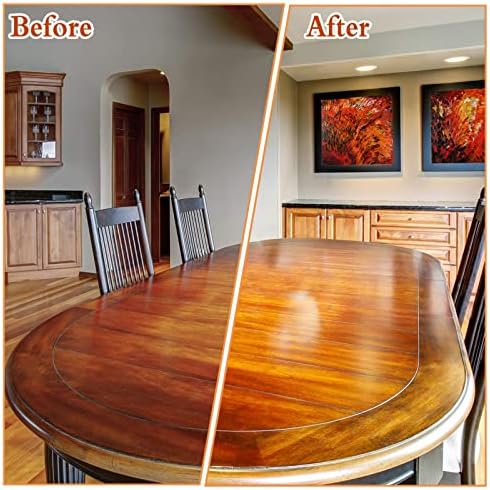
Wax shifts the color. Always. Clear wax adds warmth and depth — it saturates the pigment slightly, the same way water darkens dry sand. This effect is subtle on whites and creams but noticeable on blues, greens, and warm neutrals. Tinted wax products can move the color substantially; owners using natural-tone or antique wax formulas consistently report being caught off guard by how much darker their painted surface appeared after application. Some describe a ruined project; others call it a richer, more layered tone.
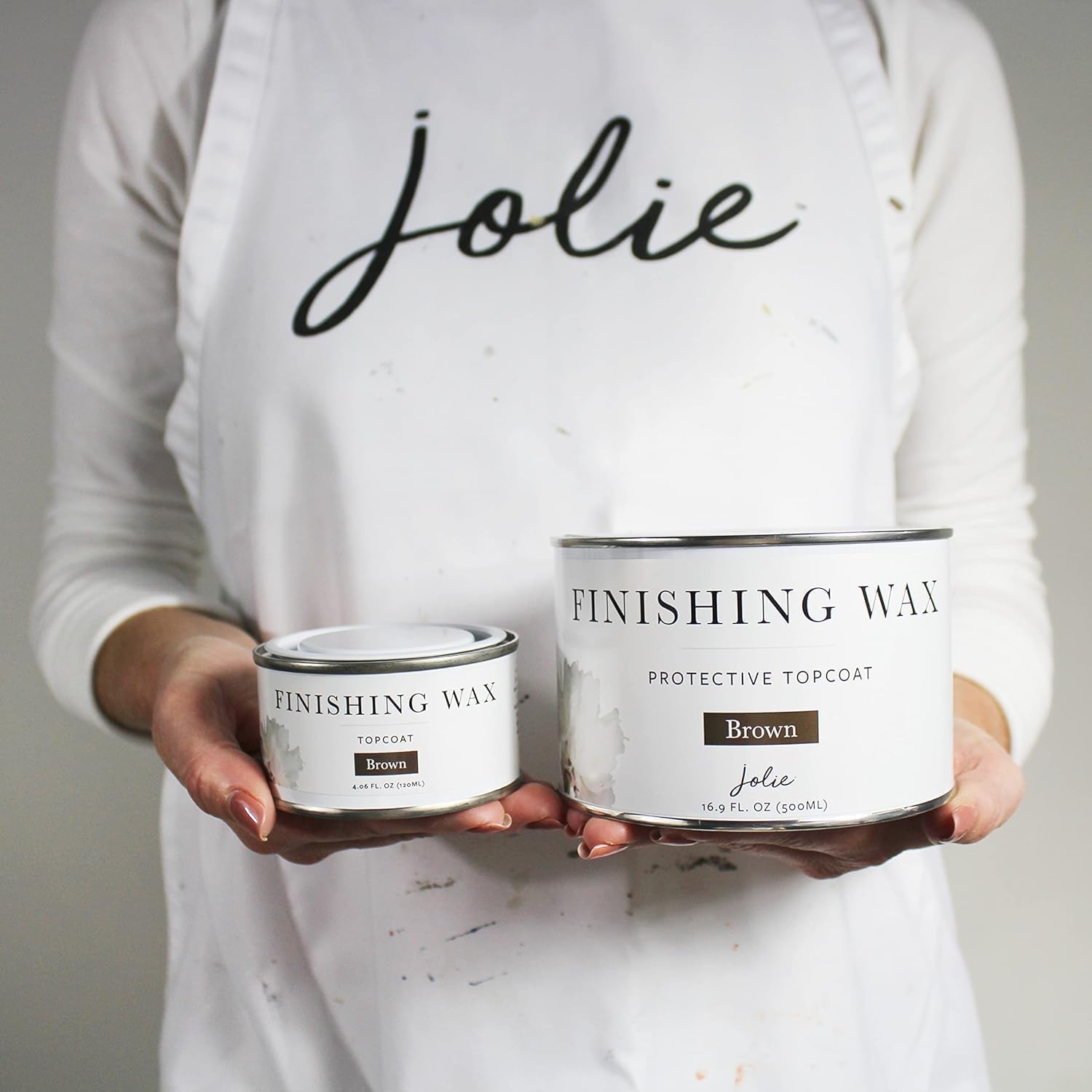
Jolie Finishing Wax, which has built a loyal following in the chalk-paint community, is specifically formulated to minimize warm shift while adding what owners repeatedly describe as depth and a professionally finished look. Its low-odor formula is a practical advantage in enclosed spaces or households with children. If you want wax and you want predictable color fidelity, Jolie Finishing Wax is where the owner record points.
Polycrylic is optically clearer — it adds sheen ranging from matte to gloss depending on the finish selected, without the warmth shift. Satin polycrylic over chalk paint reads almost exactly as the original paint color, with only a subtle glow added. This is the better choice when you have matched a specific paint color to a room and don’t want the topcoat to move it.
One caveat: polycrylic over very dark chalk paint colors — deep black, navy, forest green — can occasionally develop a faint milky cast if the paint hasn’t fully cured or if polycrylic is applied in thick coats. The Minwax Company Polycrylic Protective Finish technical data sheet and This Old House’s editorial guide “How to Use Chalk Paint” (plain-text reference) both recommend thin coats with a quality synthetic brush and at least 24 hours between coats to avoid this issue.
Chalk
$13.98
In stock on Amazon
Check price on AmazonApplication Mechanics: Brushes, Timing, and the Bristle Problem
You can get both products wrong in application. Here’s where the practical edge cases concentrate.
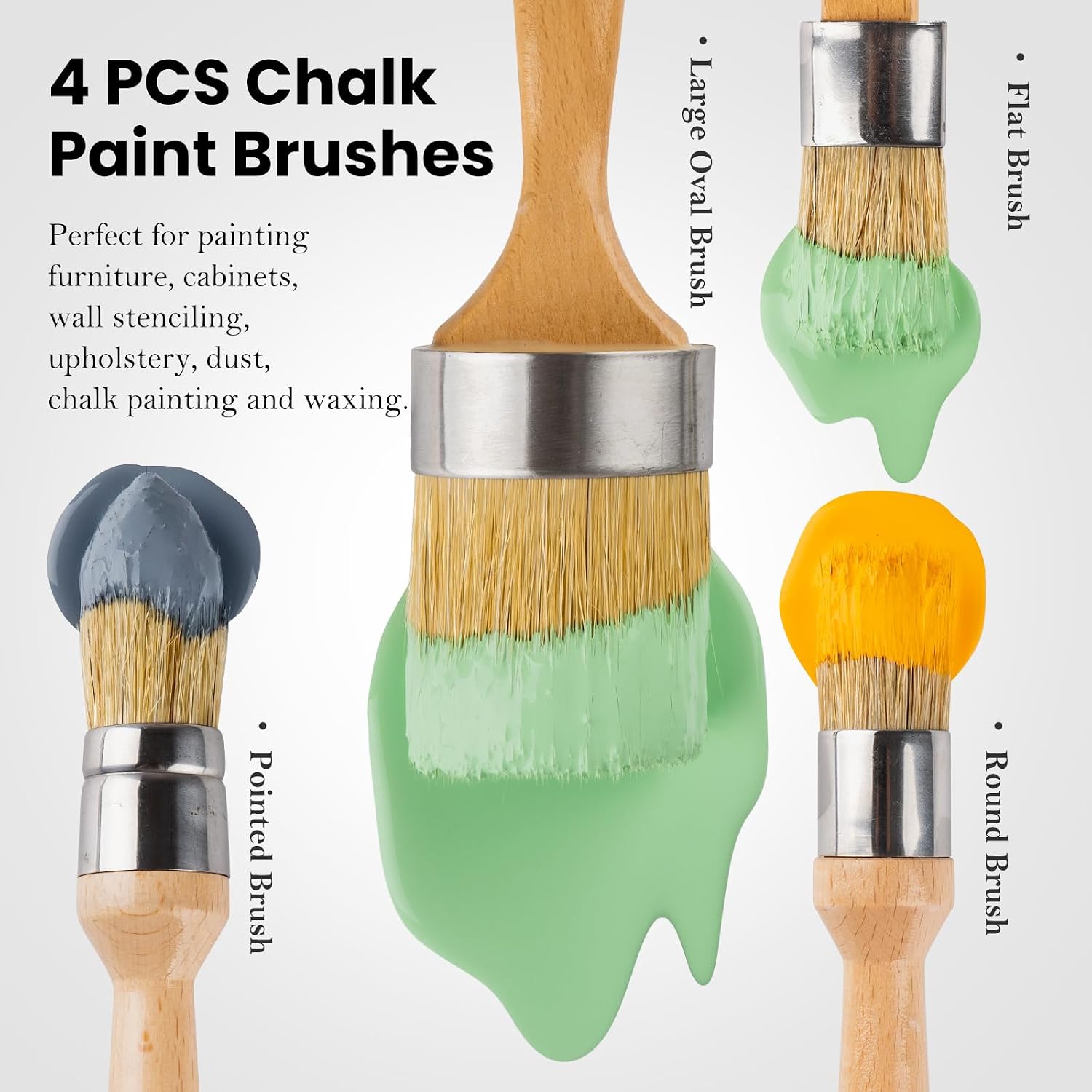
Wax application requires a natural-bristle wax brush, a lint-free cloth, or a dedicated wax applicator pad. Generic wax brush sets — the type widely available at lower price points — draw a consistent complaint in owner reviews: bristle shedding on first use. Reviewers report bristles transferring to the wet wax surface and requiring individual removal. The silver lining is that the bristles are easy to spot and remove while the wax is still workable, and the final surface remains smooth if caught in time. But for a first-time user mid-project, that’s a stressful detour.
The practical fix: before using any budget wax brush for the first time, drag it firmly across your palm or a scrap of sandpaper ten to fifteen times to dislodge loose bristles. This step — sometimes called pre-conditioning — eliminates most shedding on the actual furniture surface. Premium applicators, including Jolie’s dedicated brush and several specialist wax brush brands, tend to be better-bound and don’t shed on first use; the tradeoff is a higher upfront cost.
Cure time before application is the most commonly skipped step in beginner projects and is responsible for a meaningful share of “my wax never hardened” complaints. Chalk paint needs to be dry before topcoating, but drying and curing are different things. Drying is surface-level — the paint feels dry to the touch in 20 to 60 minutes. Curing is the full hardening process, which takes 24 to 72 hours depending on humidity, ventilation, and paint thickness. Applying wax over paint that hasn’t fully cured traps moisture and can cause adhesion failure or a tacky surface that never fully hardens.
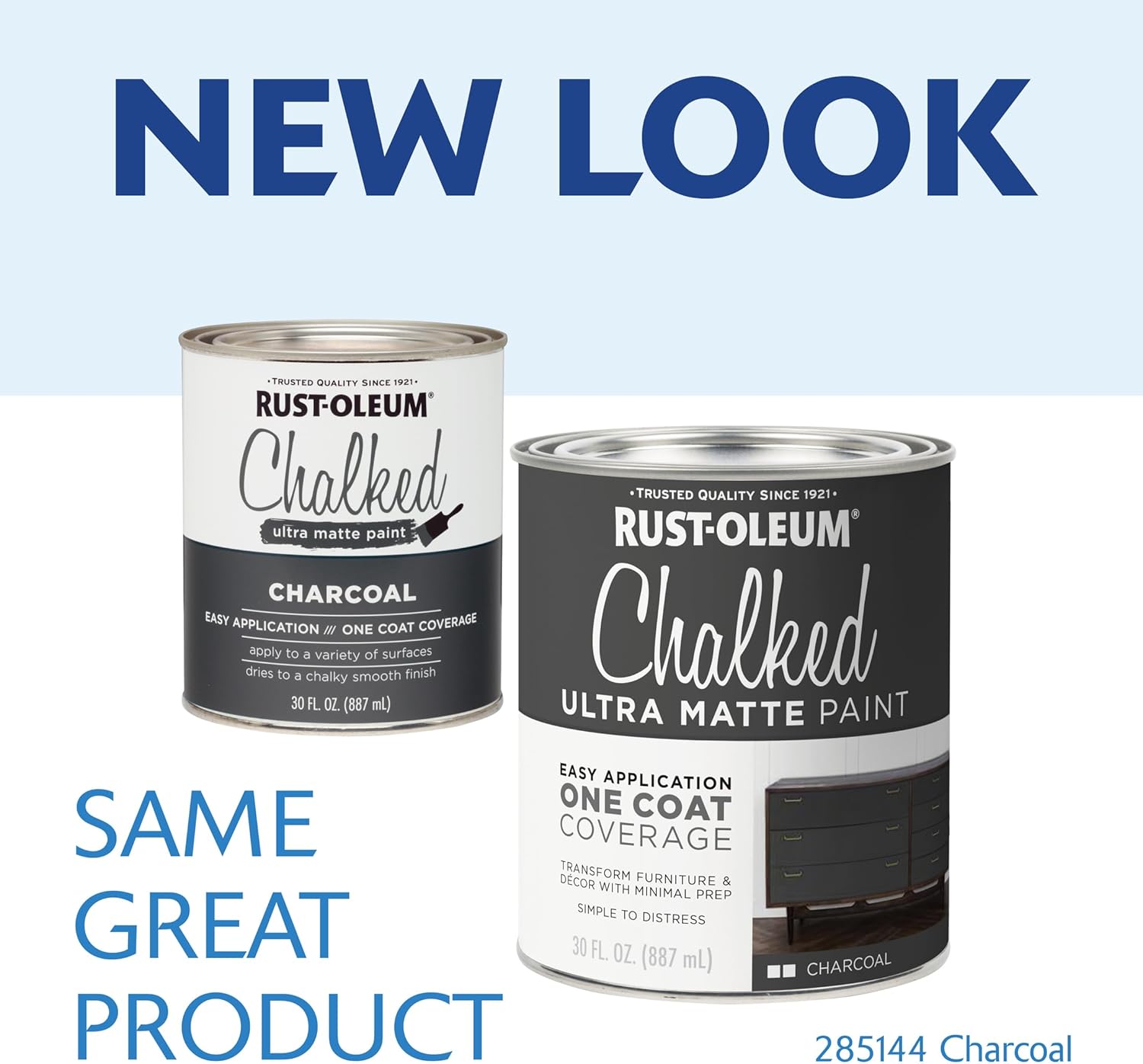
The Rust-Oleum Corporation Chalked Ultra Matte Paint product specification sheet (2024, plain-text reference) and Bob Vila’s editorial guide “Best Chalk Paint: Tested and Reviewed” (2024, plain-text reference) both identify a minimum of 24 hours after the final paint coat as the safe topcoating window, with 48 to 72 hours recommended in humid climates.
Polycrylic application timing follows the same cure-window rule but introduces a second variable: temperature. The Minwax Company Polycrylic Protective Finish technical data sheet specifies that polycrylic should not be applied below 50°F (10°C) or above 90°F (32°C). Water-based films require adequate ambient temperature to coalesce properly as they dry; outside this range, the finish can cloud, crack, or remain permanently tacky. Garage refinishers in colder climates routinely encounter this problem in early spring or late fall when ambient temperatures drop below the threshold.
Finishing
$17.99
In stock on Amazon
Check price on AmazonCross-Brand Compatibility and the Annie Sloan Gap
Polycrylic is not brand-proprietary. It’s a water-based acrylic-polyurethane blend that bonds to any properly cured chalk-painted surface regardless of whether the paint underneath is Rust-Oleum Chalked, Annie Sloan, Jolie, or a generic brand. The chemistry that matters is paint cure state and surface cleanliness — not brand compatibility.
That said, the Rust-Oleum Chalked paint ecosystem has the densest real-world owner record with polycrylic topcoats, partly because Rust-Oleum’s marketing historically pointed users toward its own clear coat products, prompting comparison-shopping that generated a large body of documented alternative outcomes. Annie Sloan’s official guidance recommends finishing wax and does not endorse polycrylic — a gap between brand recommendation and widespread real-world practice that is worth naming honestly. Apartment Therapy’s editorial overview “Everything You Need to Know About Chalk Paint” (2023, plain-text reference) notes this brand-guidance divergence and the independent owner experience that has accumulated around polycrylic as a cross-brand sealer.
Does Jolie Finishing Wax work over milk paint? Yes. Jolie Finishing Wax is compatible with chalk paint, milk paint, and most flat-finish paints. Milk paint — a powder-based paint with a chalkier, more varied finish that predates chalk paint — benefits from the same color-deepening and sealing effect that makes Jolie wax popular over chalk paint. Owners using Jolie over milk paint report the same depth and professionally finished result described in chalk-paint circles, with the same application and cure process applying to both paint types.
Rust-Oleum
$22.59
In stock on Amazon
Check price on AmazonDecision Framework: If X, Then Y
Use this to close your current decision.
If the surface gets daily friction — coffee table, dining chair seat, desk surface: choose polycrylic. The hardness differential is decisive at six months, and the reapplication burden of wax on high-contact surfaces is a real ongoing time cost. Satin polycrylic is the most versatile sheen for furniture that needs to hold up to daily use without looking plasticky.
If the piece is decorative or low-contact — display shelf, picture frame, headboard, wall cabinet: choose wax, and specifically Jolie Finishing Wax if color fidelity matters or if you’re working in an enclosed space. The soft, repairable finish is a genuine advantage on pieces you’ll want to touch up in place over the years without stripping the whole surface.
If you want to preserve an exact paint color match: polycrylic in satin or matte finish. Clear wax will warm and deepen the color; polycrylic will not.
If you’re refinishing a milk-paint or chalk-paint piece and want a single wax that covers both: Jolie Finishing Wax has the most consistent owner record across both paint types.
If you’re budget-constrained on applicators: buy a lower-cost wax brush set, pre-condition it aggressively before first use, and plan to pick out a few stray bristles. The result is still smooth; the process is slightly messier than with a premium brush.
If you’re applying polycrylic in a garage or unheated space: check the temperature before you open the can. Below 50°F, hold the project until conditions improve or bring the piece inside to a heated room.
The six-month mark doesn’t lie. Match the topcoat to the use case, respect the cure window, and either finish holds up cleanly. Skip those steps, and the outcomes tell the rest of the story.
Frequently Asked Questions
Does wax or polycrylic hold up better on a coffee table used daily? Polycrylic holds up substantially better on daily-use horizontal surfaces. Wax is a soft, non-film-forming finish that abrades under sustained friction — drink rings, dragged items, and repeated handling will show wear within three to four months on a busy coffee table. Polycrylic cures to a harder film that resists this type of wear without scheduled reapplication.
Will finishing wax change the color of my chalk paint? Yes — all waxes add some warmth and deepen the color slightly, similar to the way water darkens dry pigment. Clear waxes like Jolie Finishing Wax are formulated to minimize warm shift, but no wax is fully optically neutral. If exact color preservation matters, polycrylic is the safer choice.
How long should chalk paint cure before applying wax? At minimum 24 hours after the final paint coat, in a well-ventilated space at normal room temperature. In high-humidity environments, 48 to 72 hours is safer. Applying wax over paint that hasn’t fully cured is one of the most common causes of tacky, non-hardening wax finishes.
Can you use polycrylic over any chalk paint brand, or just Rust-Oleum? Polycrylic is not brand-specific — it bonds to any properly cured chalk-painted surface. The large owner record with Rust-Oleum Chalked paint is a function of that paint’s market share, not a compatibility requirement. Annie Sloan officially recommends wax over its paint, but polycrylic is widely used over Annie Sloan chalk paint with consistent results when proper cure time is respected.
Is the bristle-shedding problem with budget wax brushes avoidable? Mostly. Pre-conditioning the brush before first use — dragging it firmly across your palm or a scrap of sandpaper ten to fifteen times — dislodges loose bristles before they can transfer to the furniture surface. Reviewers who encounter bristles mid-application consistently report they’re easy to spot and remove while the wax is still workable; finish quality is not compromised if you catch them in time.
Does Jolie Finishing Wax work over milk paint as well as chalk paint? Yes. Jolie Finishing Wax is compatible with chalk paint, milk paint, and most flat-finish paints. Owners using it over milk paint report the same depth and professionally finished result that makes it popular in chalk-paint circles, with the same application and cure process across both paint types.