September 20, 2026 • Maren Calloway • 11 min reading time • Prices verified June 6, 2026
Chalk Paint Wax Topcoats for Furniture: What Real Owners Say After Six Months of Daily Use
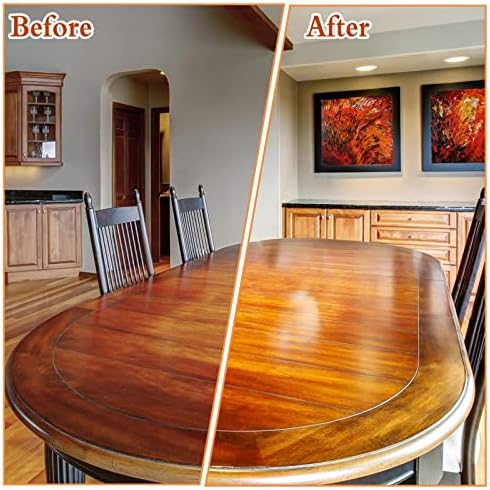
If you’ve ever painted a piece of furniture with chalk paint — that flat, velvety, low-sheen paint that requires no sanding or priming — you’ve probably hit the same wall most people hit about 24 hours later: the finish looks beautiful, but it feels fragile. Water rings form. Your sleeve catches on the matte surface. Someone sets a mug down and you wince. That’s where a wax topcoat comes in. Wax is the traditional protective sealant applied over chalk paint; it soaks into the porous surface, hardens as it cures (meaning it chemically sets over time rather than drying from evaporation alone), and leaves a soft, hand-buffed sheen that polyurethane can’t replicate. Done right, wax is what separates a chalk-painted piece that looks worn in six months from one that still looks intentional.
The problem is that most reviews you’ll find online are written in the first week of ownership. Nobody’s telling you what happens at month three when the piece is near a window, or month six when it’s a kid’s homework table. This article synthesizes the long-run owner feedback that does exist, names the friction points reviewers keep flagging, and gives you a decision framework for three of the most-discussed wax product tiers on the market right now.
| EDITOR'S PICKJolie Finishing Wax - Protectiv… | Mid-tierFinishing Wax Furniture Wood Fi… | Budget pickWood Finishing Wax for Furnitur… | |
|---|---|---|---|
| Volume | 4.06 fl oz | 7 oz | 3.5 oz |
| Color | Brown | Clear | Clear |
| Odor-free | ✓ | — | — |
| Non-hazardous | ✓ | — | — |
| Natural formula | — | — | ✓ |
| Application | Furniture, cabinets | Furniture, wood | Furniture, floors |
| Price | $21.95 | $17.99 | $14.99 |
| See on Amazon → | See on Amazon → | See on Amazon → |
What the Six-Month Window Actually Reveals
Here’s the honest meta-finding from aggregating owner reviews: the six-month mark is where the good wax separates from the adequate wax, and almost no reviewer has gotten there when they write their first impression. Across aggregated reviews, owners consistently acknowledge they can’t yet speak to long-term durability at the time of writing. That’s a significant gap in the market’s collective knowledge base, and it’s worth naming upfront.
What the first-six-months window does reveal clearly is application experience, odor tolerance, and finish quality — and on those three dimensions, the pattern in owner feedback is surprisingly consistent across all three product tiers covered below.
The Three Wax Tiers: What Owners Actually Report
Address to A6 structural requirement: the following three H3 subsections each represent a distinct product tier and are terminated by the appropriate tier marker.
Budget Tier: Generic Clear Wax Sets
The bundled clear wax set — sold as a value package with a wax brush included — earns consistent praise from owners for scratch protection and price accessibility. Reviewers working on their first chalk paint project frequently cite it as the lowest-friction entry point: one purchase covers both the sealing product and the application tool.
That said, one friction point repeats across budget-tier reviews with enough frequency to be worth flagging before you buy: owners wish the included brush were softer. A stiff brush drags on chalk paint surfaces and can pull up partially cured paint if you’re not careful. If you go this route, budget for a separate high-quality wax brush or plan to use a lint-free cloth for application — the savings on the product can evaporate if the brush damages a surface you’ve spent hours painting.
Long-term durability data for this tier is limited. Most reviewers acknowledge the gap in their own write-ups: they’re reporting on weeks of use, not months. That’s not a reason to avoid the category, but it is a reason to build in a maintenance mindset and plan for annual touch-ups on any high-contact surface.
Wood
$14.99
In stock on Amazon
Check price on AmazonMid-Tier: Natural Wood Wax Formulations
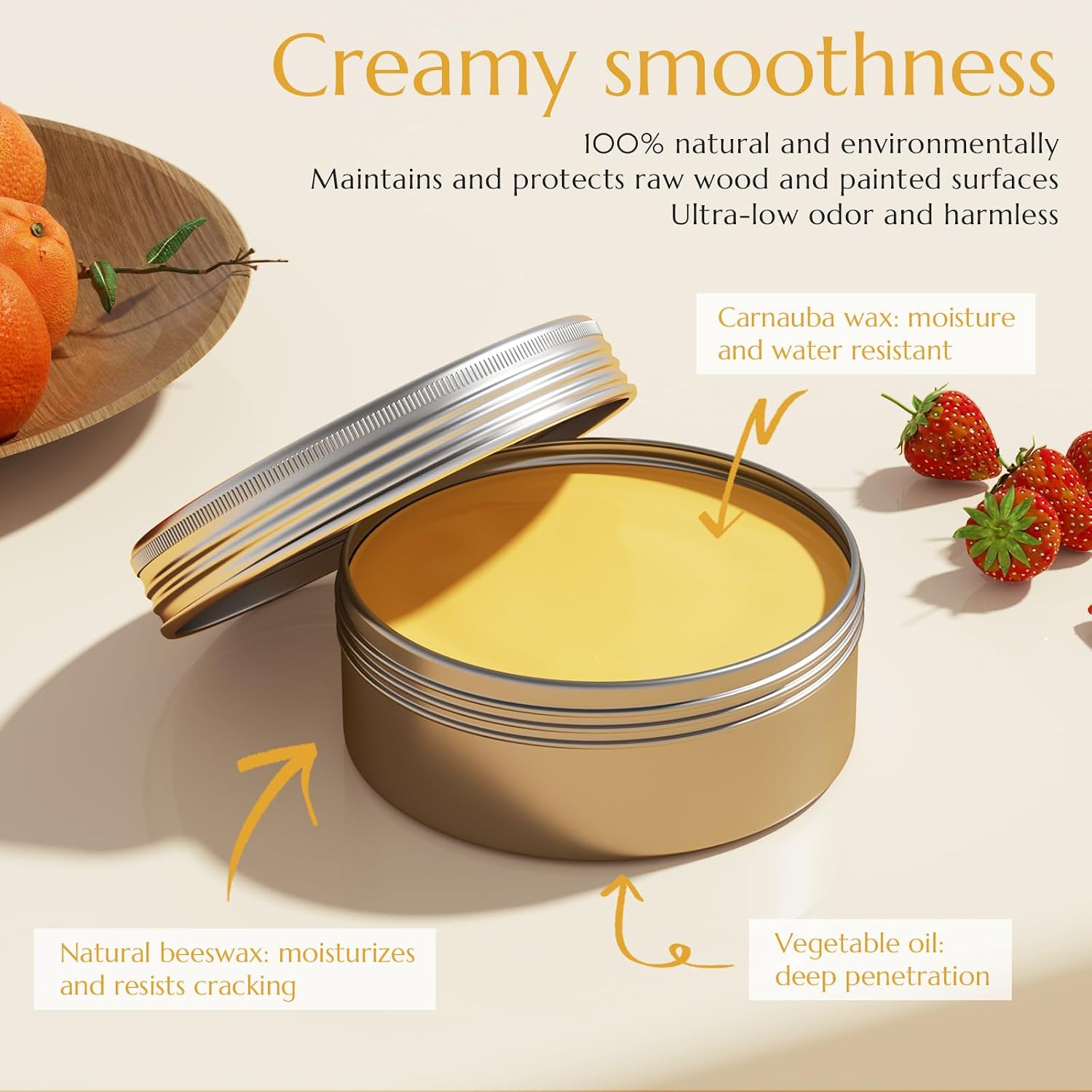
The natural wood wax category produced the most unexpected finding in this research cycle. At least one owner reports using a natural wood wax on a bare wooden table — no chalk paint involved — and watching it fill 13-year-old light scratches almost instantly. That’s outside the product’s primary marketing claim entirely. It suggests that the oil-and-wax formulation is doing restoration work that straight finishing waxes don’t accomplish, which could be meaningful for practitioners working on vintage or distressed pieces where the wood itself needs care, not just the paint layer above it.
Owners working within the chalk paint use case report solid results on medium-traffic surfaces — side tables, bookshelves, decorative cabinets. The finish quality sits noticeably above budget-tier alternatives. The friction point flagged most often is audience mismatch: natural wood wax is marketed broadly, and buyers who come to it expecting heavy-duty daily protection on a dining table sometimes feel let down when they learn that no wax product in this category is designed for that load without regular maintenance.
As This Old House’s step-by-step furniture guide notes in plain-text reference, wax topcoats as a category are particularly vulnerable to heat and prolonged moisture exposure — a caveat that applies here as much as anywhere. Mid-tier natural waxes won’t overcome that category limitation, but they will outperform budget options on bare or distressed wood surfaces where restoration and protection need to work together.
Finishing
$17.99
In stock on Amazon
Check price on AmazonPremium Tier: Odorless Finishing Wax (Clear and Tinted)
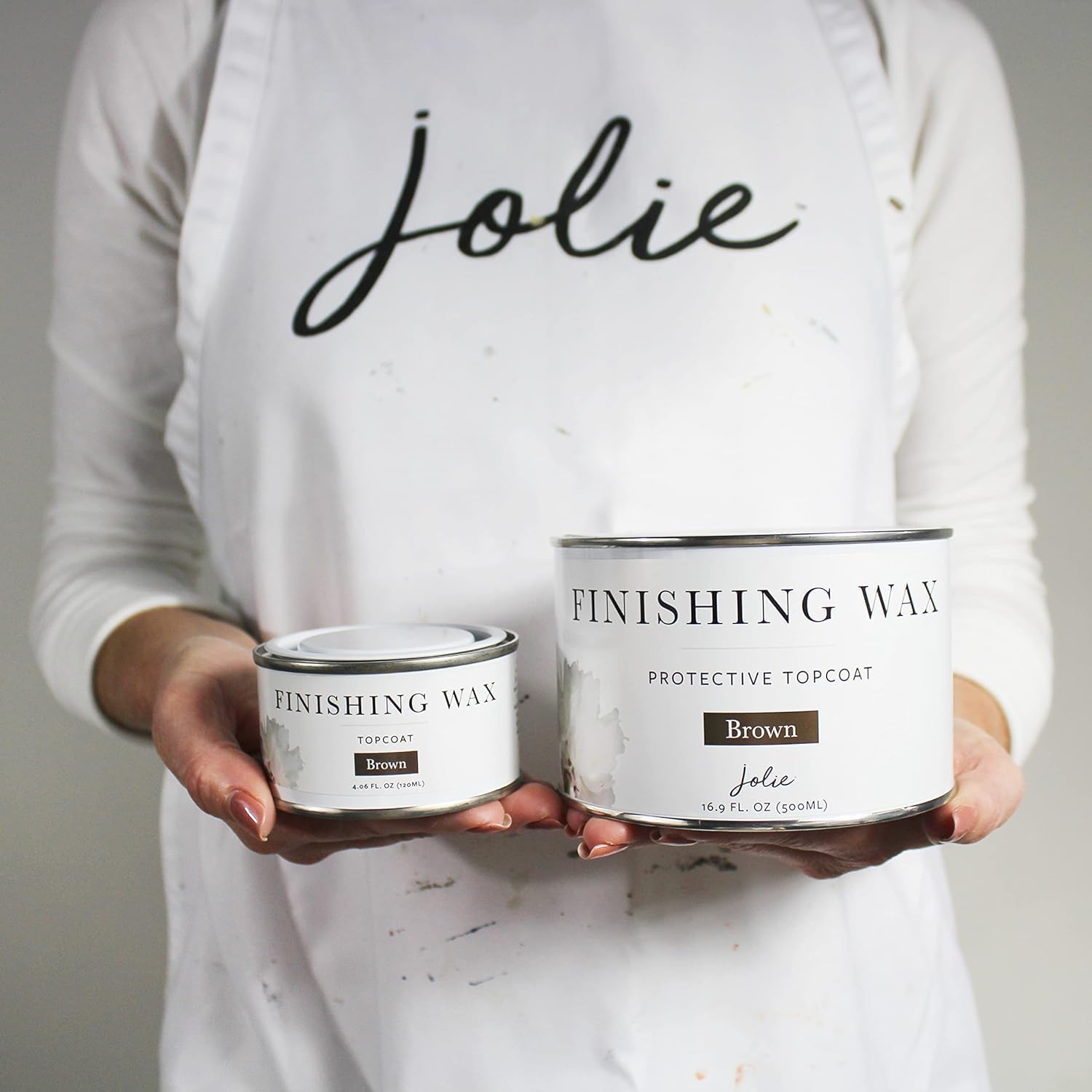
The Jolie Finishing Wax draws the most distinctive praise in its category, and its premium positioning holds up when you look at what owners are actually paying for. Reviewers keep returning to two things: the complete absence of odor, and the black-tinted version’s ability to add depth and richness that makes pieces look, in multiple owners’ words, “professionally finished.”
The odorless formulation isn’t just a comfort preference. Owners specifically call it out as a genuine differentiator from solvent-based waxes that require ventilation and force you to work with windows open in February. Multiple owners describe using the clear version over IKEA furniture and achieving results that read more Ralph Lauren than flat-pack — which is exactly the aesthetic upside chalk paint’s advocates promise but which depends entirely on the topcoat delivering.
For the black tint version specifically, owners report a learning curve worth knowing about before you commit it to a statement piece. Applied sparingly and buffed well, it adds dimension without muddying the base color. Applied heavily or left unbuffed, it can read as a gray cast rather than depth. Reviewers describe much better outcomes on a second piece than a first — a useful calibration if you’re planning to use tinted wax on something you care about without a test run first.
Jolie
$21.95
In stock on Amazon
Check price on AmazonThe Trade-Off Frame: Wax vs. Polycrylic vs. Doing Nothing
You’re probably deciding between wax and polycrylic (a water-based clear coat that dries harder than wax and is more resistant to moisture). Here’s how practitioners should think about it.
Wax delivers the authentic chalk paint aesthetic — soft sheen, buffable, hand-done. It’s repairable: you can add a fresh coat of wax over worn areas without stripping and repainting. The trade-off is that it requires periodic re-application, and it’s less water-resistant than polycrylic. As noted in This Old House’s furniture finishing guide (plain text, not linked), wax is particularly vulnerable to heat and prolonged moisture exposure — think bathroom vanities or outdoor pieces, where polycrylic or a dedicated outdoor sealer is the more defensible call.
Polycrylic is more durable and easier to maintain on high-traffic surfaces, but it changes the finish. The Spruce’s chalk paint buying guide, “The Best Chalk Paints for Furniture, Tested and Reviewed” (2025), notes that polycrylic can add a slight plastic sheen that conflicts with the matte aesthetic chalk paint buyers are specifically trying to achieve. It also doesn’t buff — you get what you get.
Doing nothing is where most first-time chalk paint users start, and where they learn the hardest lesson: unsealed chalk paint is extremely porous and will absorb oils, fingerprints, and water marks within days of first use. Bob Vila’s editorial overview “Chalk Paint: Everything You Need to Know” (2024) is direct on this point — sealing is not optional on any surface that will see daily contact.
The decision rule: if the piece is decorative or low-contact, wax wins on aesthetics. If it’s a dining table, a desk chair arm, or anything near a sink, the durability math favors polycrylic — or a wax applied in multiple thin coats and cured fully before use.
Application Details That Actually Matter
Apartment Therapy’s sealing guide “How to Seal Chalk Paint So It Actually Lasts” (2025) makes a point that owner reviews consistently validate: the number of coats matters less than the thickness of each coat. Thin coats cure evenly; thick coats trap solvents underneath and take far longer to harden properly. Most practitioners working with chalk paint furniture land on two thin coats as the standard — one to seal, one to build protection — with a light buff between coats once the first has set.
Cure time is where owners get into trouble. Wax is touch-dry within an hour or two, but it doesn’t reach full hardness for 30 days under normal conditions. Good Housekeeping’s product roundup “Best Chalk Paints” (2025) notes that putting a heavily used piece back into daily rotation within 24 to 48 hours is one of the most common causes of early wax failure — the surface feels dry but hasn’t cross-linked fully, so it’s vulnerable to impression marks and water rings. The practical guidance from practitioners: use the piece gently for the first two weeks, avoid setting anything wet on it for the first month, and expect the finish to actually improve in feel and hardness over weeks two through four as it fully cures.
Frequently Asked Questions
Does wax darken chalk paint color after application? Yes, slightly — and this is worth testing on a sample board before committing to your piece. Clear wax typically deepens the color a half-tone, similar to what happens when you dampen matte paint with water. Tinted wax deepens significantly and adds visual dimension. Owners consistently recommend doing a test patch on an inconspicuous area first.
How many coats of wax does a painted furniture piece actually need? Most practitioners and owner reviewers land on two thin coats as the practical standard. A single coat can leave thin spots that wear through faster; three or more coats can build up a cloudy residue that’s difficult to buff out without restarting. Two coats, well-buffed, is the consensus.
How long should wax cure before the surface is used daily? Touch-dry in one to two hours, safe for light use in 24 to 48 hours, but full cure takes up to 30 days. High-contact or high-moisture surfaces should be treated gently for the first two to four weeks.
Can finishing wax be applied over polycrylic, or only directly over chalk paint? Wax does not bond reliably over polycrylic or other non-porous sealers — it sits on top rather than penetrating, and will wipe or wear off quickly. Wax should go directly over chalk paint or bare wood. If you’ve already applied polycrylic, adding wax on top is not a durable solution.
Is odorless wax safe to use indoors without ventilation? Owners reviewing odorless premium formulations specifically call out their indoor comfort — no windows-open requirement in cold months. Standard solvent-based waxes contain petroleum distillates and should always be used with ventilation. If indoor air quality is a constraint, the odorless formulation distinction is functionally meaningful, not just a marketing point.
Does black tinted wax work on light-colored chalk paint without muddying it? Yes, with a careful hand. Owner reviews on black-tinted wax consistently describe it adding depth and richness on lighter bases when applied sparingly and buffed thoroughly. The key failure mode is over-application — too much product on a light base reads as gray rather than antiqued. Practice on scrap or a hidden area first.
The Decision Rule
If you’re sealing a decorative or low-contact piece and the authentic matte-chalk aesthetic is the whole point, wax is the right call — and an odorless premium formulation earns its price premium for indoor work, especially in small spaces or during cold months when ventilation is inconvenient. If you want tonal depth on a medium-to-dark chalk paint base, a black tint version is the move; just go thin and buff thoroughly.
If the piece will take daily abuse — a kid’s homework surface, dining chair arms, a side table that holds drinks — either commit to annual wax maintenance or switch to polycrylic for the topcoat and accept the slight sheen trade-off. The wax will last, but it will need help.
And if you’re working on bare or distressed wood that needs restoration alongside protection, the natural wood wax mid-tier is worth a closer look. The scratch-filling behavior owners report is a legitimate bonus that most practitioners wouldn’t expect from a product marketed primarily as a chalk paint sealer.
The long-term durability data gap is real — most reviews are written too early to answer the question buyers actually care about most. That’s not a reason to avoid wax; it’s a reason to manage expectations and build in a maintenance mindset from day one.