September 12, 2026 • Maren Calloway • 11 min reading time • Prices verified June 6, 2026
Milk Paint vs. Chalk Paint for Furniture: Coverage, Color Depth, and When Each Earns Its Place
If you’ve ever stood in the paint aisle — or lost an hour in a browser tab spiral — trying to decide between milk paint and chalk paint, you’re not alone. Both are water-based furniture finishes designed to deliver a matte, vintage-leaning look with minimal surface prep. Chalk paint (a term broadly used for thick, pigment-dense, water-based paint that dries to a flat, powdery finish) was popularized by Annie Sloan in the 1990s and has since spawned dozens of brand variations. Milk paint is older still — historically made from casein (a protein found in milk), pigment, and lime — and today’s commercial versions replicate that same fast-drying, slightly translucent character using modern formulations. Both skip the sanding-and-priming ritual that traditional oil or latex paints demand. But they behave differently in ways that matter: color depth, coverage count, how well they bond, and how badly they chip if you skip the topcoat. This article lays out exactly where each earns its place — and where it doesn’t.
| EDITOR'S PICKDixie Belle Paint Company Chalk… | Mid-tierAnnie Sloan Chalk Paint® (Old W… | Budget pickFolkArt Home Decor Chalk Furnit… | |
|---|---|---|---|
| Volume | 16 fl oz | 4.06 fl oz | 16 fl oz |
| Color | Caviar | Old White | Rich Black |
| Texture | Matte | — | — |
| Paint type | Chalk mineral | Chalk | Chalk |
| Primer needed | — | No | — |
| Sanding needed | — | No | — |
| Price | $33.45 | $19.00 | $11.65 |
| See on Amazon → | See on Amazon → | See on Amazon → |
The Core Difference Nobody Explains Clearly
The shorthand you’ll see repeated in buyer guides — “chalk paint is thicker, milk paint is thinner” — is true but incomplete. The more useful frame for a practitioner is this: chalk paint is formulated to cover; milk paint is formulated to penetrate.
Chalk paint sits on top of the surface in a dense, opaque layer. Its high pigment load means it reaches full coverage in one to two coats on most pieces. The matte “chalky” texture it leaves behind is both its aesthetic calling card and its structural vulnerability — that porous surface needs a topcoat (wax or polyurethane) to survive contact with hands, humidity, or anything liquid.
Milk paint behaves differently. Traditional powder-form milk paint bonds to raw, porous wood through a chemical interaction with the wood’s surface — it’s closer to a stain in that sense than a coating. Modern ready-mix milk paint formulas move that chemistry into a convenience format, but the paint still tends toward the translucent end of the opacity spectrum, particularly in lighter shades. That translucency is partly why milk paint can achieve richer, more visually complex color in deep tones: the pigment isn’t fighting the same heavy binder system that gives chalk paint its body.
By the numbers (per manufacturer technical data):
- Chalk paint typical coverage: 150–350 sq ft per quart (varies by brand and surface porosity)
- Milk paint typical coverage: 125–200 sq ft per quart in opaque formulations
- Standard coat count to full opacity: chalk paint 1–2 coats; milk paint 2–3 coats on most surfaces
- Topcoat drying window before light use: wax 24 hrs; water-based poly 4–6 hrs
Comparing the Leading Products: Three Tiers Worth Knowing
The market for chalk and milk paint breaks into recognizable tiers — by price per quart, coverage reliability, and the buyer profile each brand targets. The three profiles below cover the spectrum of what most furniture refinishers actually encounter.
Annie Sloan Chalk Paint — The Premium System
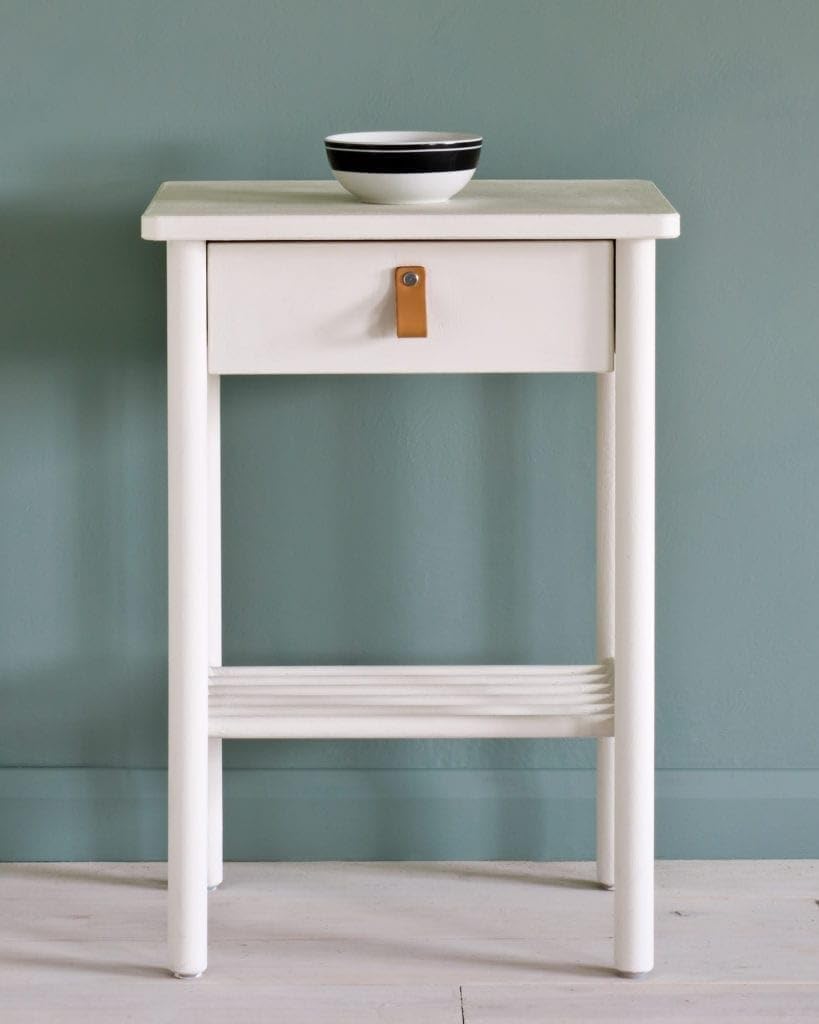
Annie Sloan Chalk Paint sits at the premium end of the category in both price and system complexity. The buyer profile that surfaces consistently in editorial reviews — including the Good Housekeeping “Best Chalk Paints We Tested” editorial synthesis and the This Old House “Best Chalk Paints” editorial review — is a refinisher pursuing a deliberate antique aesthetic, who plans to use dark wax as part of a multi-step patina system. These buyers are not trying to get maximum color saturation in one coat. They are building a finish in stages, and Annie Sloan’s system (paint, dark wax, clear wax, layered) is designed for exactly that outcome. For a buyer who wants a saturated, modern navy on a sideboard and doesn’t want to fight for it across several coats, this is the wrong tool. For a buyer who wants a layered, aged finish with genuine depth, it is the right one.
Dixie
$33.45
In stock on Amazon
Check price on AmazonDixie Belle Caviar and FolkArt Rich Black — Mid-Tier Dark-Color Specialists
Two products draw outsized loyalty in the dark-color segment, and they occupy the mid-tier pricing band where most furniture refinishers live.
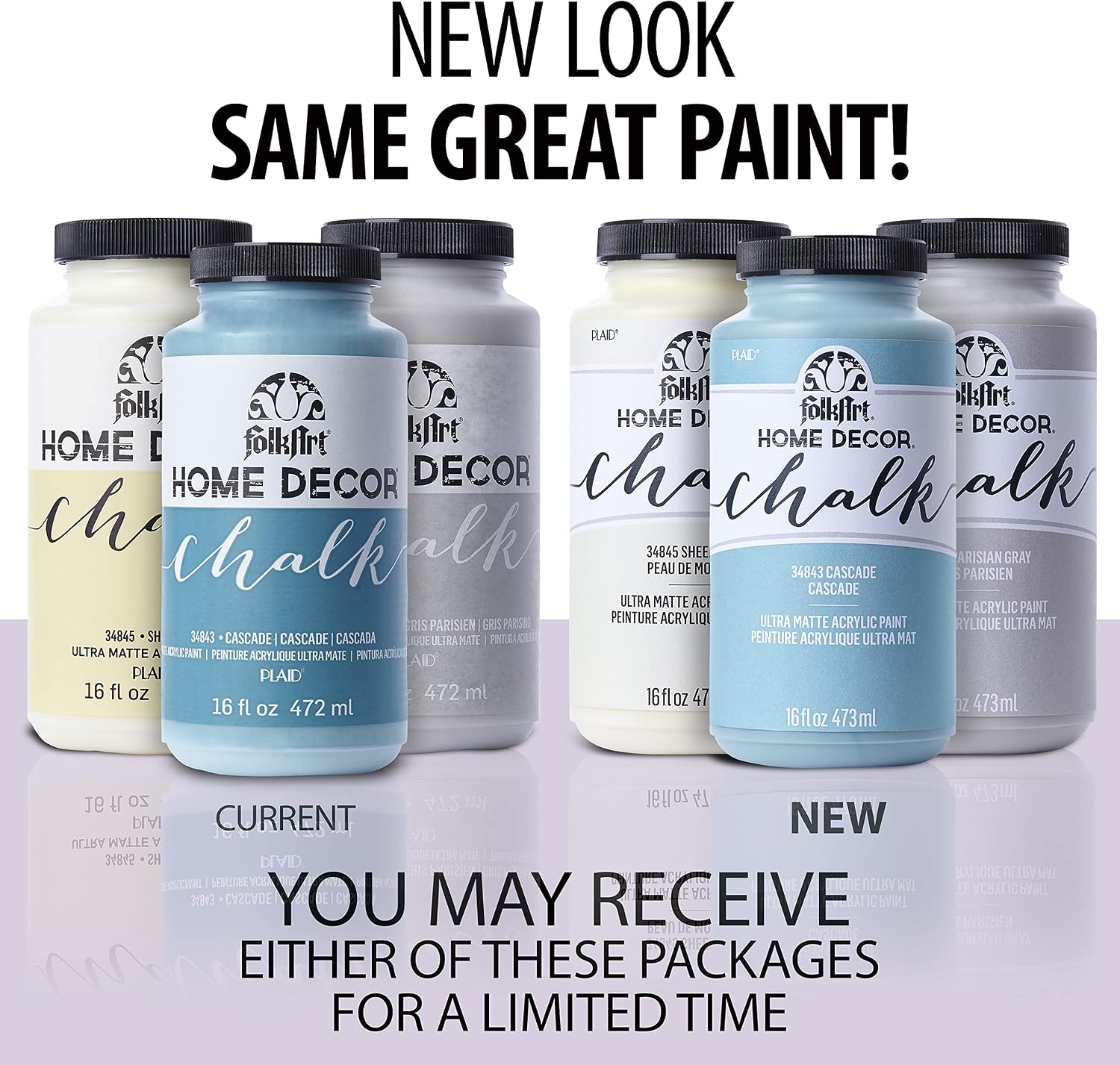
FolkArt Home Decor Chalk in Rich Black earns consistent single-coat praise in buyer documentation compiled by Plaid Enterprises. Reviewers describe it as genuinely, measurably pigmented — a word that matters here because many chalk blacks read as charcoal or dark grey rather than true black. Rich Black apparently closes that gap. If you’re refinishing a piece where a true solid black in one coat is the goal, the reviewer evidence points here.
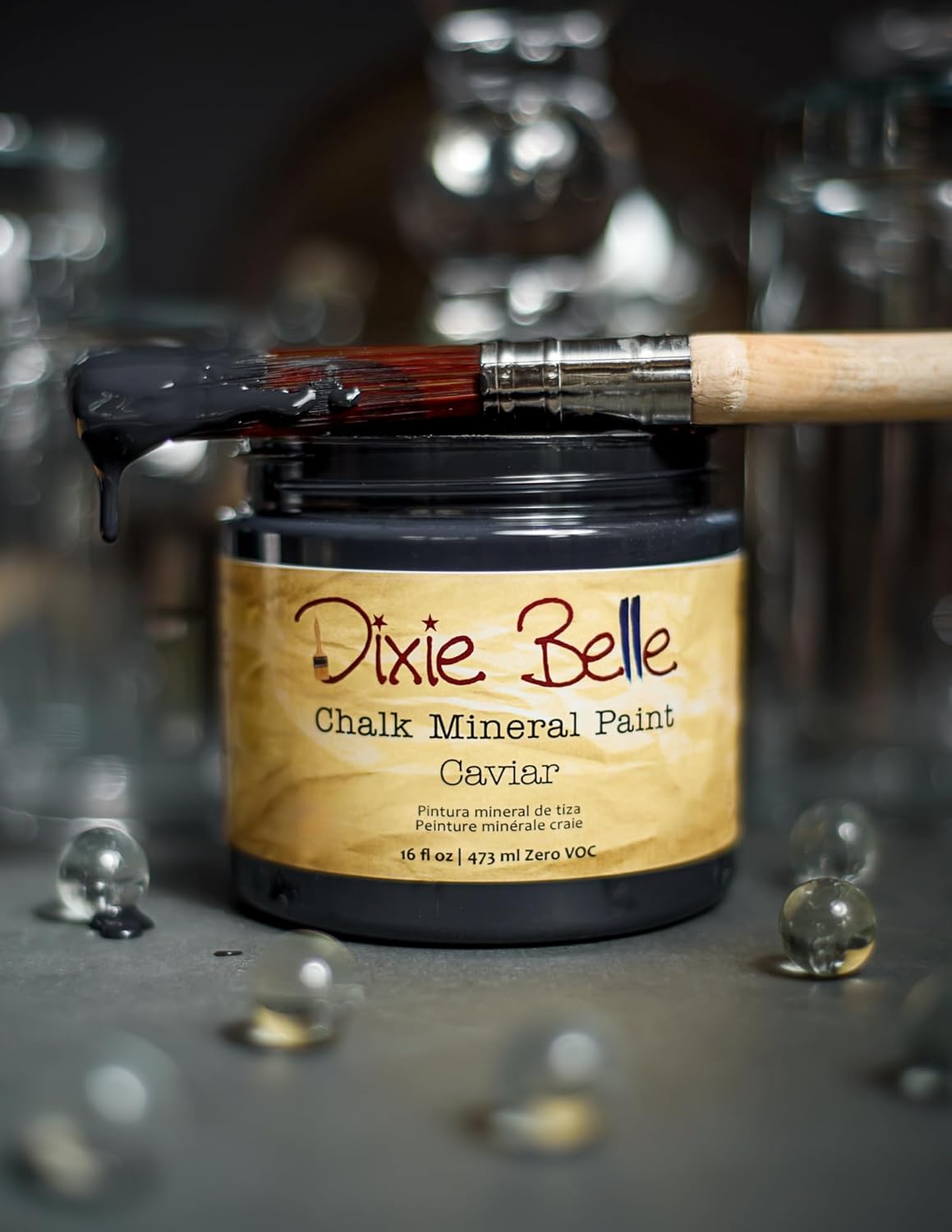
Dixie Belle Caviar occupies the same dark-color niche and earns loyalty of a different kind. Dixie Belle Paint Co. product FAQ and coverage documentation reflects reviewers describing it as fast-drying and well-covering, with a workflow advantage on larger pieces. The Spruce “Best Chalk Paint Options” product overview and the Bob Vila “Best Chalk Paint for Furniture” buyer’s guide both include Dixie Belle in their shortlists, and Caviar specifically gets recurring mention for its workability in humid climates where slower-drying paints create frustration.
Annie
$19.00
In stock on Amazon
Check price on AmazonRust-Oleum Milk Paint — The Budget-Accessible Color-Depth Option
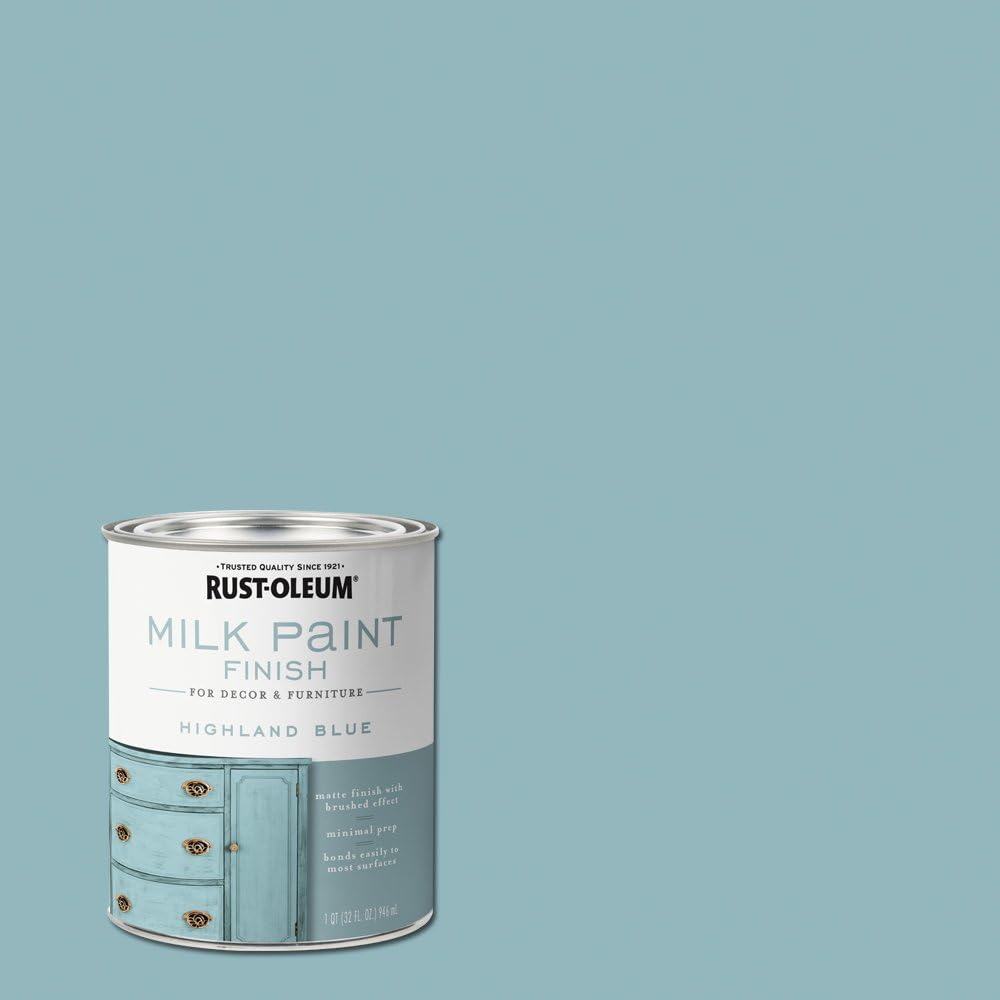
Rust-Oleum’s ready-mix milk paint line sits at accessible price points and fills a gap that chalk paint brands, taken collectively, do not. The Good Housekeeping “Best Chalk Paints We Tested” editorial synthesis and The Spruce “Best Chalk Paint Options” overview both reflect a buyer pattern worth naming directly: refinishers choosing Rust-Oleum milk paint specifically because no chalk paint on the market offered the same depth of navy or comparable saturated jewel tone. Buyers who chose it for high-visibility pieces — a piano case, an architectural sideboard — and expressed genuine surprise at the color fidelity they achieved. That’s not an accident. The lighter binder system in milk paint allows pigment to express at a saturation level the thick binder in chalk paint structurally limits.
The trade-off is coat count. Rust-Oleum’s milk paint technical data sheet confirms the translucency tendency in lighter shades and the 2–3 coat expectation for full opacity on sealed or previously painted surfaces. The adhesion caveat from traditional powder-form milk paint — it bonds best to raw wood and may need a bonding additive on sealed surfaces — is less pronounced in ready-mix formulas, but still worth testing on a small section before committing to a full piece.
FolkArt
$11.65
In stock on Amazon
Check price on AmazonThe Topcoat Question: Wax vs. Poly, and Why You Cannot Skip It
A recurring warning across virtually every brand’s reviewer base — chalk paint and milk paint alike — is consistent enough to state plainly: skipping the topcoat on horizontal or high-use surfaces will cost you the finish within months. The This Old House “Best Chalk Paints” editorial notes the same pattern: the matte surface is porous by design, which is what makes it visually beautiful and physically vulnerable. Reviewers who went unsealed on kitchen furniture or frequently-touched pieces consistently report chipping and universally recommend a topcoat in retrospect.
Wax (the traditional pairing with chalk paint, especially in the Annie Sloan system) provides a soft, low-sheen finish that enhances the chalky texture and allows for layered, antiqued patina. It’s easy to apply by hand and repair locally if a section gets damaged. The trade-off: wax is not a durable moisture or abrasion barrier. On kitchen cabinet fronts, cabinet doors near the sink, or any surface that takes daily hand contact, wax will break down and require reapplication every one to two years. Annie Sloan’s official application guide acknowledges this and frames it as part of the finish’s maintainability rather than a defect.
Water-based polyurethane provides significantly harder, longer-lasting protection and is the correct choice for kitchen furniture, dining tables, and any horizontal surface that will take direct use. Oil-based polyurethane is not recommended over chalk or milk paint because it can yellow the finish. The visual trade-off with water-based poly is that it adds a slight clarity layer and a marginally harder sheen, softening the raw chalky texture — if that texture is the whole aesthetic point, wax is the right choice. If the piece will take daily contact, poly is the right choice.
Decision rule: Decorative or low-contact piece? Wax is appropriate and gives you the better visual outcome. Kitchen cabinet, dining table, kids’ room piece, or anything that takes daily use? Apply water-based poly. The Bob Vila “Best Chalk Paint for Furniture” buyer’s guide reflects this same recommendation pattern across the brands it evaluates.
Sanding, Prep, and Adhesion: What the Spec Sheets Actually Say
One of the marketing claims that draws people to both finishes is “no prep required.” That’s mostly accurate but has real limits.
Chalk paint adheres to most clean, dry surfaces without sanding, including previously painted wood and some glossy finishes. On high-gloss lacquered surfaces or slick laminate, adhesion is unreliable without at least a light scuff-sand. Manufacturer documentation for most chalk paint brands recommends thorough cleaning — degreasing is especially important on kitchen furniture — before painting, even when sanding isn’t required.
Milk paint in powder form bonds best to raw, unsealed wood and can peel off sealed or painted surfaces without a bonding agent additive. This is documented behavior, not a defect: it reflects the chemistry of how casein binds to porous surfaces. Ready-mix milk paint formulas, including Rust-Oleum’s, handle this differently and adhere more reliably to previously finished surfaces, but a small test section before committing to a full piece is still warranted. Rust-Oleum’s milk paint technical data sheet recommends this approach explicitly.
Between coats, neither chalk paint nor milk paint requires sanding for adhesion. A light pass with 220-grit between coats will smooth any raised grain or brush marks and improve final surface quality — worth doing on a piano case or a cabinet door, optional on a piece where handmade texture is the intended outcome.
When Each Earns Its Place: The Decision Frame
After working through reviewer patterns, manufacturer spec comparisons, and documented failure modes, the decision tree is relatively clean:
Choose milk paint if:
- You need a saturated, deep color — navy, forest green, jewel tones — and can’t find the equivalent depth in chalk paint lines
- You’re working on a piece where color complexity or translucency is an asset (layered finishes, distressed effects that show wood grain)
- You’re refinishing a high-visibility piece like a piano, sideboard, or architectural furniture where color fidelity is non-negotiable
Choose chalk paint if:
- You want maximum coverage with minimum coats, especially in lighter or mid-range colors
- You’re pursuing an antique, layered-patina aesthetic and plan to use dark wax as part of the system (Annie Sloan is the benchmark here)
- You need fast workability on a larger piece in a humid environment (Dixie Belle Caviar earns the edge for dark colors; FolkArt Rich Black earns it for true black in a single coat)
- You’re doing a smaller decorative project where the chalky tactile texture is part of the outcome
In either case: topcoat every horizontal surface and every piece that will take regular contact. Water-based poly for functional furniture; wax only for decorative or low-contact pieces. The reviewers who skipped this step are the ones writing the cautionary comments across every editorial compilation in this category.
Frequently Asked Questions
Does milk paint require more coats than chalk paint to achieve full coverage? Generally, yes. Milk paint — especially in its more translucent formulations — typically requires two to three coats to reach full opacity on most surfaces. Ready-mix milk paint formulas close that gap somewhat, but chalk paint’s thicker, higher-pigment body still tends to cover in one to two coats across most colors. The exception: very dark, saturated colors where milk paint’s pigment depth can deliver better saturation than comparably dark chalk paint options.
Can chalk paint achieve the same deep color depth as milk paint in saturated tones? Not consistently, at the deep-saturation end. The binder system that gives chalk paint its coverage and body also diffuses color intensity in a way that limits how rich the darkest shades can get. Reviewers consistently find that milk paint — particularly ready-mix formulas — fills a color gap that chalk paint brands don’t fully address, especially for deep navy and jewel tones. For lighter and mid-range colors, chalk paint’s depth is typically sufficient.
Is polyurethane or wax a better topcoat for chalk-painted kitchen cabinets? Polyurethane, without hesitation. Wax is not a durable enough moisture and abrasion barrier for kitchen use. Water-based polyurethane provides the hardness that kitchen cabinets require and won’t yellow the finish the way oil-based poly can. Apply two coats on cabinet fronts and three coats on any horizontal surface near the sink.
Do these paints require sanding between coats or before application? Neither requires sanding for adhesion under normal conditions. Chalk paint bonds to most clean, dry surfaces without sanding, though a deglossing step helps on very slick surfaces. Milk paint in powder form bonds best to raw wood; ready-mix formulas are more forgiving. Between coats, a light 220-grit sand improves surface smoothness but is optional. Sand when surface quality matters to the project outcome; skip it when handmade texture is the point.
Which finish holds up better on a frequently used surface without chipping? Neither holds up without a topcoat. With proper topcoating — water-based poly for high-use surfaces — chalk paint and milk paint perform comparably in durability. Without a topcoat, both will chip on high-contact surfaces. The finish that chips is almost always the one that went unsealed.