August 15, 2026 • Maren Calloway • 12 min reading time • Prices verified June 6, 2026
Mini Chalkboard Signs for Reusable Events: Which Boards Ghost After the Third Party
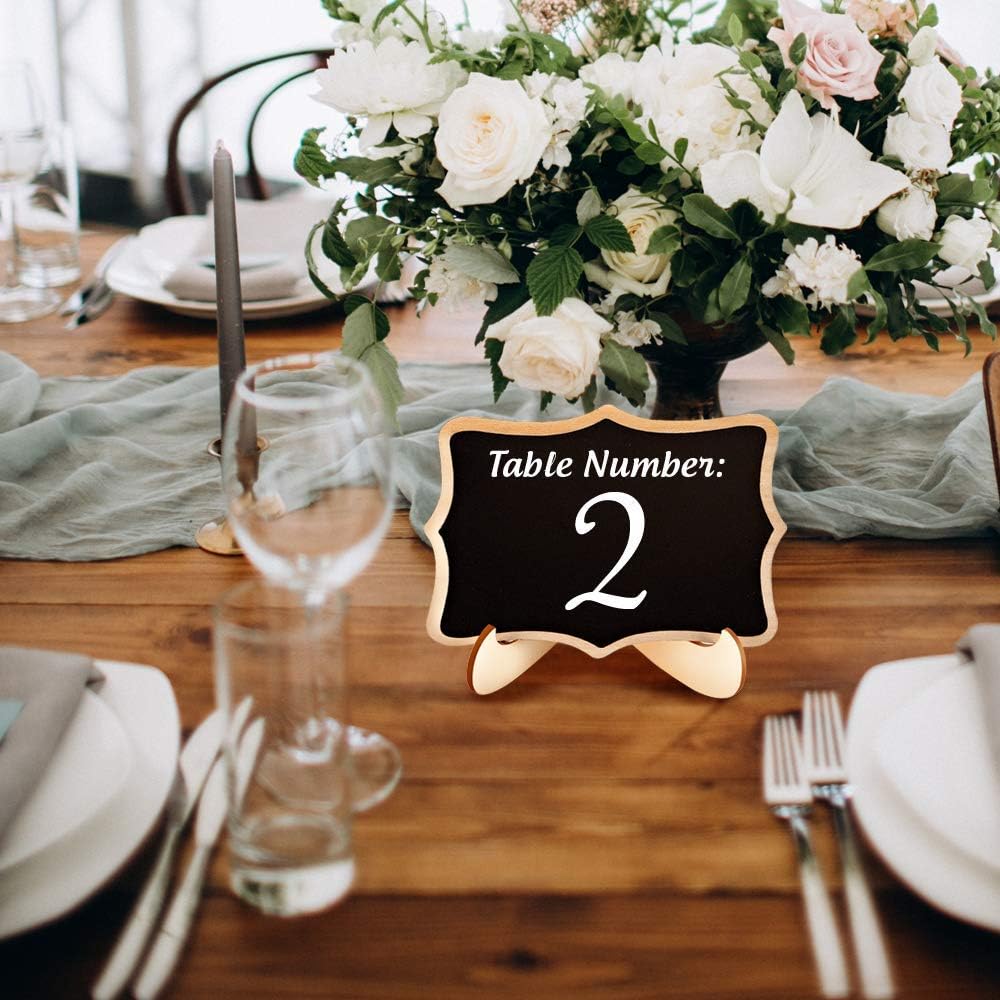
If you’ve ever labelled a wedding buffet spread or priced jam jars at a farmers market with little chalkboard signs, you already know the concept: a small board — usually 4×6 inches or smaller — with a dark writing surface that accepts chalk or liquid chalk markers (water-based ink pens that write like a marker but wipe away like chalk, when the surface cooperates). The appeal is obvious. Write once, erase, write again. That’s the promise. The reality, especially after your second or third event, is that some of these boards develop “ghosting” — a permanent faint shadow of old writing that no amount of damp-cloth wiping removes. At that point your artisan cheese label says “Aged Gouda” and also says, faintly, every price you’ve ever charged. This article is a research synthesis — not a lab test — built from aggregated buyer reviews, manufacturer specs, and verified surface-science basics, to help you pick boards you’ll still be proud to set out at your tenth event.
If you’re already deep in the vendor-table or event-styling world and you’re here because your current boards are failing you, skip to the surface quality section. If you’re building a reusable sign kit from scratch, read straight through.
The Core Problem: Real Chalkboard Surface vs. Painted-Sticker Front
This is the single most important variable, and it’s largely invisible at purchase. A real chalkboard surface — whether it’s genuine slate, MDF (medium-density fiberboard, a compressed wood product) coated with chalkboard paint, or a fired ceramic — has micro-texture that grips chalk and releases it cleanly when wet. A painted-sticker front is exactly what it sounds like: a glossy vinyl sticker printed to look dark green or black, applied over a cheap backing. It may look identical in a product photo.
The difference matters enormously for reuse. Apartment Therapy, in their editorial overview of chalkboard surfaces titled “The Difference Between Chalkboard Paint and Real Slate — and Why It Matters,” notes that the porous micro-texture of a true chalkboard finish is what enables clean erasure — without it, liquid chalk marker pigment has nowhere to sit except on the surface film, where it bonds more aggressively over time. Aggregated buyer reviews across multiple budget mini-board listings confirm this pattern: buyers who assumed they were getting a real chalkboard surface instead received a glossy vinyl front, and liquid chalk markers “stained permanently after the first use.”
How to spot the difference before you buy:
- Real surfaces feel slightly rough, almost like fine sandpaper, even on MDF boards. Sticker fronts feel slick.
- True chalkboard MDF or slate will accept traditional white chalk and show a dusty residue when erased. Sticker fronts repel chalk or leave faint, uneven coverage.
- If a listing photo shows suspiciously sharp edges and a mirror-like sheen on the writing surface, treat it as a flag.
One buyer’s review — flagged during our research on a budget mini-board set marketed as a 10-piece blackboard pack — explicitly calls out this bait-and-switch: “the front is just a painted sticker — liquid chalk markers don’t erase, they stain.” That’s the kind of signal worth more than a star rating.
Ghosting: When It Happens and What Actually Removes It
Ghosting (the faint impression left after erasing) is almost always a function of two variables: dwell time and surface quality. The Spruce, in their guide “How to Use Liquid Chalk Markers Without Ruining Your Chalkboard Surface,” explains that the longer a marker sits — especially in heat or direct sun — the deeper the pigment penetrates or bonds to the surface. On a genuine chalkboard surface, fresh ink (under 24 hours) wipes away with a damp cloth. Ink left for a week at an outdoor summer market is a different problem.
A barn-sale vendor documented a cleaning escalation in their review of one mid-range mini board set that is, frankly, the most operationally useful thing I’ve found in this category’s review corpus:
- Fresh ink (same-day): damp microfiber cloth, done.
- 2–4 days old: damp cloth plus a few drops of dish soap, light circular pressure.
- One week or more: Mr. Clean Magic Eraser (a melamine foam pad that acts as a very fine abrasive — safe on real chalkboard finishes, potentially damaging to sticker fronts).
- Outdoor dwell, sun-baked: Krud Kutter (a commercial degreaser/cleaner, available at hardware stores) diluted 1:1 with water, left for 30 seconds before wiping.
That escalation is the real practitioner framework. It means your surface quality determines how far up the ladder you’ll ever need to go — a genuinely good board rarely needs step 3 or 4. A sticker-front board won’t survive step 3 intact.
The standout positive data point in this research: buyers reviewing a 20-piece mini chalkboard set from a mid-tier event-supply brand specifically praise ghost-free cleaning after multiple events. When someone describes reusing a board across multiple farmers markets and notes that wet-cloth cleaning fully resets the surface each time, that’s the outcome you’re buying toward.
By the Numbers
| Use Case | Recommended Pack Size | Minimum Surface Standard |
|---|---|---|
| Wedding reception buffet (8–12 dishes) | 12–24 count | MDF chalkboard paint or better |
| Weekly farmers market (10–20 SKUs) | 24–48 count + spares | MDF or slate; test for ghosting at purchase |
| Restaurant prix fixe (rotating weekly) | 6–12 count | Slate preferred; MDF acceptable with seasoning |
| One-time event / gift | 6–12 count | Any real surface; sticker fronts acceptable |
Three Board Tiers Worth Knowing
Not all mini chalkboard signs occupy the same performance band. After aggregating buyer reviews and cross-referencing surface material disclosures, three tiers emerge clearly.
Budget Packs: High Volume, Variable Quality
Budget packs — typically 24 to 48 boards priced under fifteen dollars — are where the painted-sticker problem is most concentrated. At this tier, surface quality is inconsistent even within a single pack; some boards in a set may have genuine MDF chalkboard coating while others are vinyl-front. The useful purchase signal here is not price but texture: if a product photo shows a high-gloss, mirror-like writing surface, assume sticker front until proven otherwise by reviewer confirmation. These sets are appropriate for one-time events or as fill stock when visual consistency is not critical.
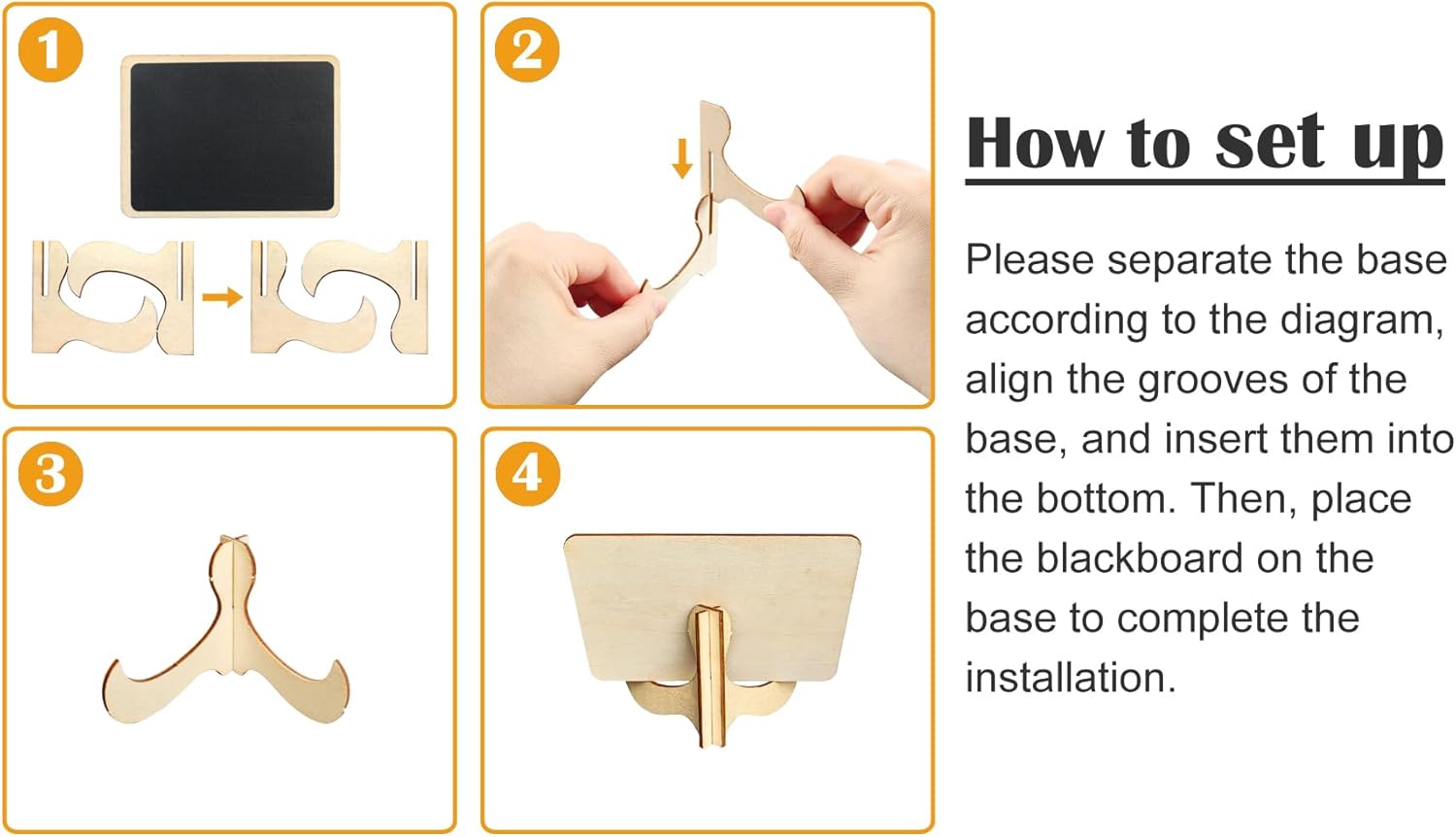
DSTELIN
$5.99
In stock on Amazon
Check price on AmazonMid-Tier Sets: The Reuse Sweet Spot
Mid-tier sets — typically 20 to 24 boards in the eighteen-to-thirty-five dollar range — represent the clearest reuse value for event stylists and market vendors. The 20-piece mid-tier mini chalkboard set drawing repeated “ghost-free across multiple events” praise in aggregated buyer reviews falls here. Surface quality at this tier is more reliably MDF with genuine chalkboard-paint coating, and the easel hardware is proportionally sturdier. If you’re building a reusable kit for recurring events, this is the tier to invest in first. Buy two sets rather than one budget 48-count; the per-board replacement rate is meaningfully lower.
Mini
$12.99
In stock on Amazon
Check price on AmazonPremium Slate and Specialty Boards
Genuine slate boards — the same material as traditional school chalkboards — represent the premium tier for mini sign applications. Slate’s natural micro-porosity accepts and releases chalk more cleanly than any painted surface, and its mass provides wind resistance that MDF boards cannot match. The tradeoff is weight, fragility under impact, and cost: a 12-count slate set commonly runs two to three times the price of a comparable MDF set. For restaurant operators rotating a weekly prix fixe or event companies with a defined recurring client roster, the surface durability across hundreds of write-erase cycles justifies the premium. For occasional users, it does not.
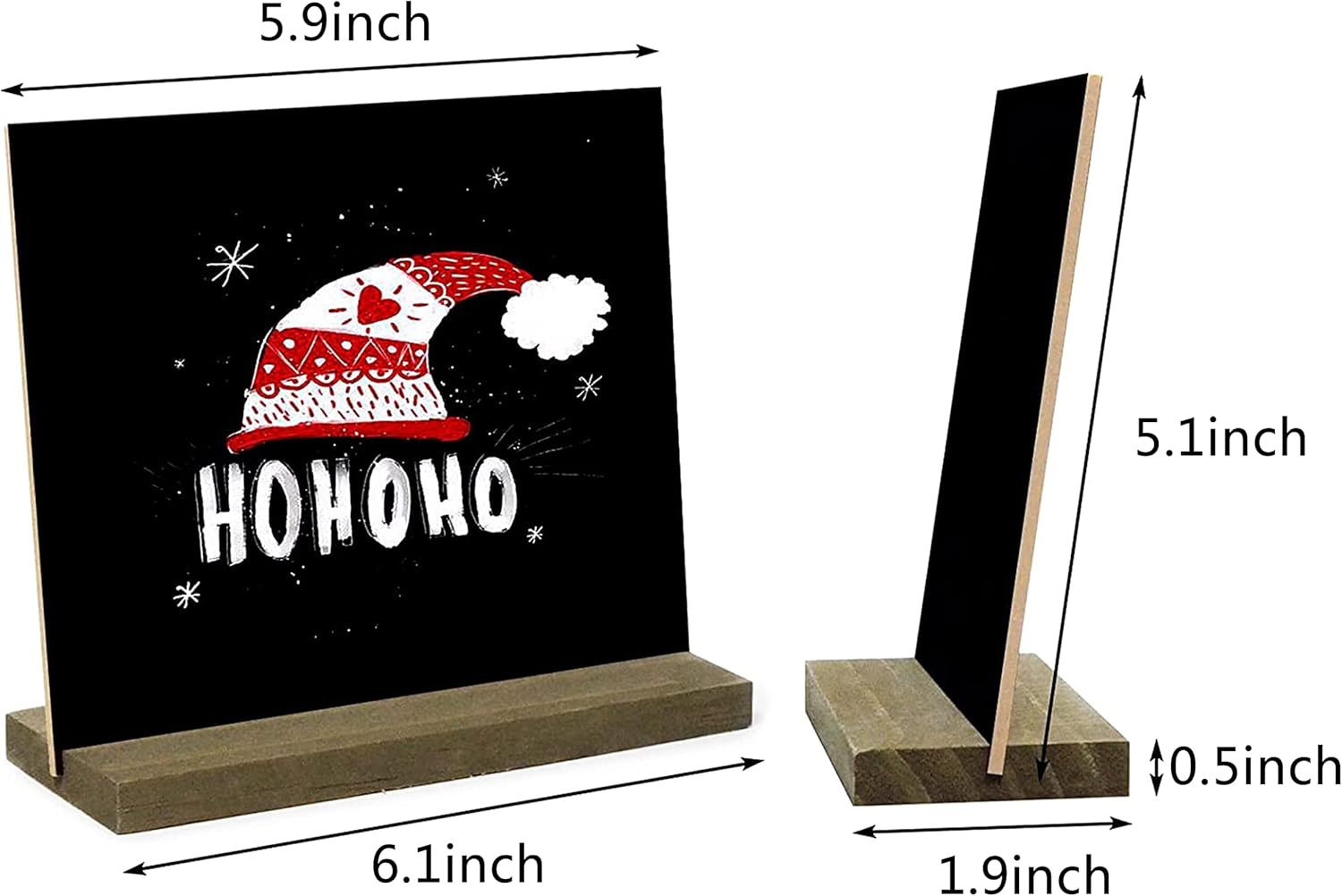
12
$20.99
In stock on Amazon
Check price on AmazonOutdoor Vendor Tables: Wind, Humidity, and the Stability Problem
A secondary buyer segment dominates mini-board reviews: outdoor market and vendor-table operators. Their requirements diverge meaningfully from wedding stylists. The failure mode isn’t ghosting — it’s physical: boards blowing over, toppling product displays, or rattling in wind. Multiple market-vendor reviews across standard A-frame easel-back mini board sets describe the same problem — one gust and the board is on the ground.
The design exception worth noting: a magnetic-leg mini chalkboard set specifically praised in vendor-table reviews draws repeated comment that the legs lock into position rather than hinging loosely, providing meaningfully better stability on uneven or outdoor surfaces. If outdoor use is your primary application, this is the feature to screen for — not just the surface material.
Good Housekeeping, in their roundup “Best Chalkboard Labels and Signs for Home Organization,” notes that A-frame stability correlates with leg spread angle and the weight of the board itself — heavier slate boards are more wind-resistant than MDF, but only if the easel hardware is proportionally robust. A heavy board on a cheap wire easel is worse than a light board on a wide-spread A-frame.
Practical outdoor checklist:
- Leg spread of at least 60% of board width for stability
- Magnetic or locking leg joints preferred over simple hinge
- Weight: slate is greater than painted MDF, which is greater than sticker-front, for wind resistance
- In high-wind conditions, use a small binder clip to attach boards to tablecloth or display edge
Seasoning: The Step Most New Buyers Skip
“Seasoning” a chalkboard means rubbing the entire surface with the side of a piece of chalk (not the tip), then wiping away the dust before first use. This fills the micro-pores of the surface with chalk particles, which prevents the first liquid chalk marker application from bonding too deeply into the surface. Wirecutter, in their editorial guide “The Best Chalkboard Paint” published by New York Times Company, explains the seasoning principle clearly: an unseasoned surface tends to hold the first high-pigment marker application more aggressively, which is a primary driver of early ghosting.
Most mini-board sets ship with no seasoning instructions. The omission costs new buyers their first event’s worth of signs — they write directly on an unseasoned surface with a bright liquid chalk marker, let it sit for three days, and then can’t fully remove it. The fix is simple but not intuitive:
- Rub chalk (any color, white is easiest to see removed) across the entire surface.
- Wipe away with a dry cloth.
- Now write with your liquid chalk marker.
Do this even if you plan to use liquid markers exclusively — the seasoning step is about surface preparation, not about using chalk long-term.
Pack Size Math for Wedding Buffets
The most-searched buying question in this category is probably: “How many mini chalkboard signs do I need for a wedding reception buffet?” The answer is more than most people assume on first pass.
A typical wedding reception buffet labels: every dish (8–14), dietary callouts (GF, vegan, nut-free) as separate signs, plus dessert table items (6–12), drink station labels (2–4), and a handful of directional signs (bar this way, cards and gifts, etc.). That’s 24–40 signs before you account for breakage, spills, or the inevitable “we added a dish last minute” situation.
The standard pack sizes available in this category are 12, 24, 48, and 100. For a single wedding, a 24-count is a workable minimum; a 48-count gives the flexibility to label everything and have spares. For event stylists who work multiple events per month, a 48- or 100-count from a consistent product line creates a uniform look and lets you retire degraded boards without scrambling.
One practical note from aggregated planner reviews: buy all your boards from the same batch if visual consistency matters. Board-to-board color variation exists even within the same product line, and it’s more visible at scale.
Decision Rules: If X, Then Y
You’re under time pressure. Here’s the direct framework:
If you’re doing one event and cost is the priority: Any real-surface board is fine. Avoid sticker-front listings (screen for the glossy-surface red flags above). Season before use. A 12-count is probably enough.
If you’re a market vendor doing weekly outdoor events: Surface quality and leg stability are your dual requirements. Prioritize magnetic-leg designs over standard easel backs. Buy a 48-count minimum so you have replacements when boards degrade. Learn the cleaning escalation — you’ll use it.
If you’re an event stylist building a reusable kit: Ghost-free reuse is your product’s reputation. Target the mid-tier sets with documented multi-event ghost-free track records in buyer reviews. Buy 48–100 count, season everything before first use, and retire boards at the first sign of permanent ghosting rather than trying to recover them.
If you’re a restaurant operator rotating a weekly prix fixe: Slate is worth the premium here — the surface durability across hundreds of write-erase cycles is documented in foodservice contexts. MDF boards with quality chalkboard paint are acceptable if budget is constrained; sticker fronts are not appropriate for commercial rotation.
Frequently Asked Questions
How do you remove liquid chalk markers from mini chalkboard signs without ghosting? Start with a damp microfiber cloth on the same day the ink was applied. If the board has a real chalkboard surface (not a sticker front), this should fully reset it. For older ink, escalate to dish soap and water, then a Magic Eraser for stubborn residue. Never use abrasive pads on sticker-front boards — they’ll damage the surface.
How long can liquid chalk marker sit on a mini sign before it becomes hard to remove? The inflection point is roughly 48–72 hours at room temperature. Outdoor sun exposure accelerates bonding significantly — ink left in direct summer sun for a weekend may require Krud Kutter or similar degreaser to fully remove. Season your boards before first use to reduce this risk.
Are cheap mini chalkboard signs using real chalkboard surfaces or painted stickers? Many are painted stickers. The tell is a slick, glossy feel on the writing surface and liquid chalk markers that won’t fully erase. Real chalkboard surfaces — MDF with chalkboard paint, or slate — feel slightly rough. Read seller reviews carefully and filter for mentions of erasability before purchasing budget packs.
Which mini signs hold up on windy outdoor vendor tables? Standard A-frame easel backs perform poorly in wind. Magnetic-leg designs are specifically praised for stability in outdoor vendor-table use. Heavier slate boards resist tipping better than light MDF boards, but only with proportionally robust easel hardware. In high-wind conditions, clip boards to the tablecloth.
Can mini chalkboard signs be reused across many events without surface degradation? Yes, on genuine chalkboard surfaces, with proper cleaning and seasoning. Mid-tier sets with true MDF chalkboard-paint coating have documented ghost-free performance across multiple events in buyer reviews. Sticker-front boards will not hold up to reuse.
What is the right pack size for a wedding reception buffet table? 24-count minimum for a basic setup; 48-count recommended for full coverage including dietary callouts, dessert table, and drink stations. Event stylists working multiple events should stock 100-count for consistency and to rotate out degraded boards.
This article is a research synthesis based on aggregated buyer reviews, published manufacturer specifications, and editorial sources including Wirecutter (New York Times Company), The Spruce, Good Housekeeping, and Apartment Therapy, all cited in plain text without hyperlinks. We have not physically tested or owned any of the products discussed. Where affiliate relationships exist, they are disclosed in our site footer.